





















Predictive Analytics in Digital Insurance Explained
Data holds incredible power. Insurance companies collect vast amounts of information every single day. However, simply storing that data offers little value. The real magic happens when companies use that information to look into the future. That is exactly where predictive analytics steps in. This article breaks down the concept of predictive analytics within the digital insurance space. We will explore what it actually means and how it functions behind the scenes. You will learn how modern insurers use data to assess risks, handle claims efficiently, and deliver highly personalized coverage plans.

What is Predictive Analytics?
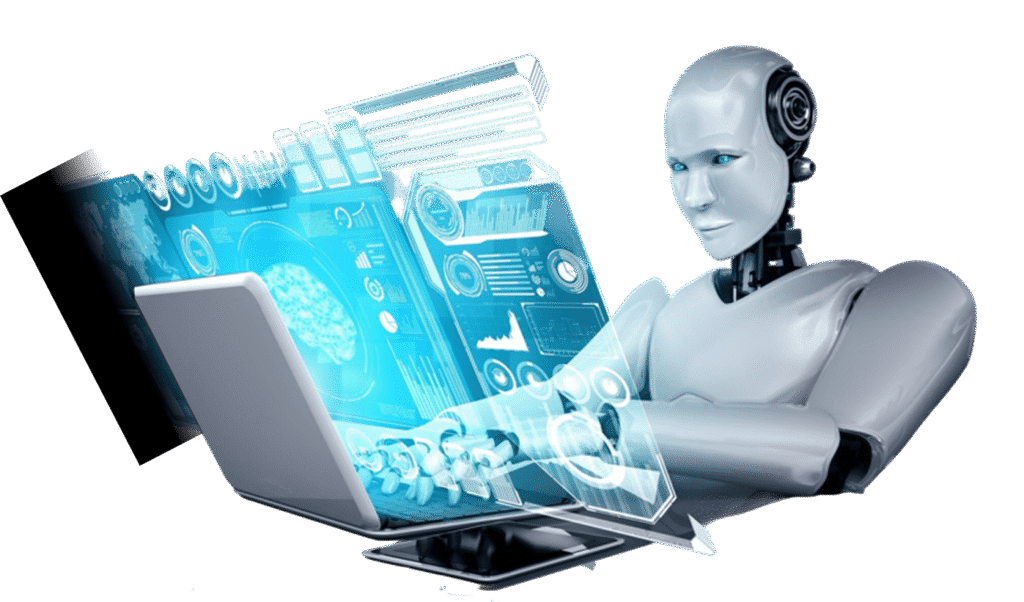
Predictive analytics involves using historical data, statistical algorithms, and machine learning techniques to identify the likelihood of future outcomes. Instead of simply looking at what happened in the past, this technology asks what might happen next. It takes raw data and turns it into actionable foresight.
Think of it as a highly sophisticated weather forecast. A meteorologist looks at past weather patterns, current atmospheric pressure, and wind speeds to predict rain. Similarly, predictive analytics looks at past behaviors, financial trends, and demographic data to predict customer needs and potential risks.
In the digital era, computers process millions of data points in mere seconds. This speed and accuracy allow businesses to make highly informed decisions. Rather than relying on gut feelings or broad averages, leaders rely on mathematical probability.
Benefits for Insurers and Customers
The integration of advanced data models creates a win-win scenario. Both the provider and the policyholder reap significant rewards.
Why Insurers Win
Efficiency drives profitability. By automating routine tasks like basic underwriting and simple claims processing, insurers save millions in operational costs. Employees are freed up to handle more complex, meaningful work.
Additionally, predictive analytics drastically reduces fraud. Fraudulent claims cost the industry billions annually. Smart algorithms spot hidden patterns and connections that a human reviewer might easily miss, protecting the company's bottom line.
Why Customers Win
Customers benefit primarily through fairer pricing and incredible convenience. Because algorithms assess individual risk rather than grouping people into broad categories, careful consumers get rewarded. For example, when looking for the best car insurance Qatar has to offer, you might notice that your quoted price is highly personalized based on your specific driving habits rather than just your age bracket.
Fast claims processing also provides peace of mind during emergencies. Knowing your claim can be approved instantly reduces the stress of an accident or unexpected loss.
The Role of Predictive Analytics in Insurance
For decades, the insurance industry operated on a reactive model. An event occurred, a claim was filed, and the company responded. Digital transformation has completely flipped this script. Insurers now use predictive models to operate proactively.
Digital insurance relies heavily on seamless user experiences and instant decision-making. Predictive analytics serves as the engine powering these fast, intelligent systems. When a customer applies for a policy online, algorithms instantly review their data against massive databases.
This technology shifts the focus from repairing damage to preventing it. By identifying high-risk scenarios early, insurers can warn customers or adjust policies accordingly. The result is a more stable financial ecosystem for the provider and a safer environment for the policyholder.
Real-World Applications in Insurance
Theory is great, but practical application is where predictive analytics truly shines. Let us look at how companies implement these tools across different departments.
Smarter Risk Assessment and Pricing
Underwriting used to be a slow, manual process. Human underwriters spent hours reviewing applications to determine a person's risk level. Predictive analytics automates and refines this entire workflow.
The system analyzes a wide array of alternative data points. This might include credit history, online behavior, and even telematics data from connected devices. By understanding the exact risk a specific individual poses, the insurer can price the policy accurately. Safe individuals pay less, while higher risks are priced appropriately.
Streamlined Claims Management
Filing a claim is often the most stressful part of the insurance journey. Predictive analytics makes this process faster and less painful. When a claim enters the system, an algorithm immediately reviews it for inconsistencies or signs of fraud.
If the claim fits standard, low-risk parameters, the system can approve and pay it out automatically within minutes. This rapid processing dramatically improves customer satisfaction. Meanwhile, complex or suspicious claims are flagged and routed directly to human investigators.
Customer Personalization and Retention
Consumers expect personalized experiences from the brands they interact with. Insurance is no exception. Predictive models analyze life events, browsing habits, and past interactions to suggest relevant products.
If an algorithm notices a customer recently purchased a home, it might automatically trigger an email offering bundled home and life insurance. Furthermore, predictive analytics helps identify customers who are likely to cancel their policies. Companies can then reach out with special discounts or check-ins to retain that valuable business.
Moving Forward with Digital Insurance
Predictive analytics is not just a passing trend; it is the foundation of modern insurance. As machine learning becomes more advanced, these systems will only get smarter and faster.
For consumers, this means better prices and smoother experiences. For companies, it means stronger fraud protection and optimized operations. To take advantage of these shifts, start paying attention to the data you share with your providers. Look for digital-first insurers that leverage technology to offer transparent, personalized coverage tailored to your actual life.






.webp)