

Gate Valve Supplier: Delivering Dependable Solutions for Diverse Industrieshttps://www.blogvarient.com/admin/posts
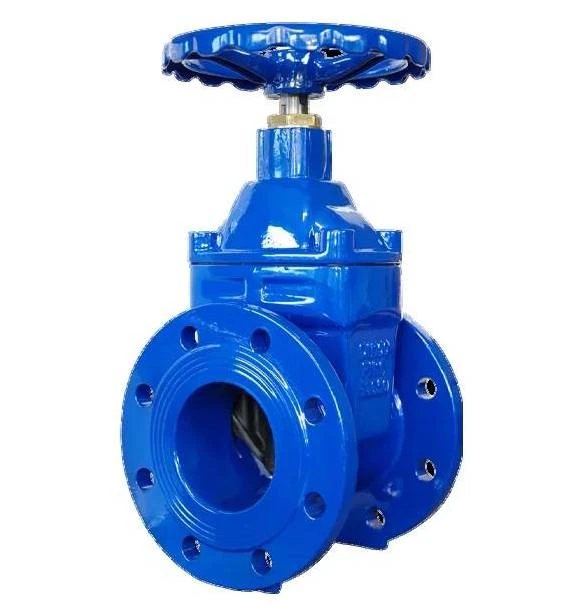
Gate valves are essential components in many industrial piping systems, providing dependable flow isolation when pipelines need to be opened or closed. They are widely used in water treatment, oil and gas, chemical processing, power generation, manufacturing, and other demanding applications. Selecting a reliable Gate Valve Supplier is important because valve quality, material selection, pressure rating, and technical suitability can directly influence the efficiency and safety of a piping system.
Understanding Gate Valves
A gate valve operates by moving a gate vertically within the valve body. When the gate is fully raised, fluid can pass through the pipeline with minimal restriction. When the gate is lowered, it blocks the passage and isolates the flow.
Gate valves are generally designed for fully open or fully closed applications rather than regular throttling. Their straightforward operating principle makes them suitable for many industrial isolation requirements.
Why Gate Valve Quality Matters
A reliable gate valve should provide consistent sealing, smooth operation, and dependable performance under suitable operating conditions. Manufacturing precision is important because components such as the body, bonnet, stem, gate, and sealing surfaces must work together accurately.
Quality manufacturing can help reduce leakage, premature wear, and unexpected maintenance requirements. Proper testing further increases confidence in the valve's performance.
Material Selection
The material of a gate valve should be selected according to the application.
Common materials include:
-
Cast iron
-
Ductile iron
-
Carbon steel
-
Stainless steel
-
Alloy steel
-
Specialized corrosion-resistant materials
The correct material depends on the type of fluid, pressure, temperature, and surrounding environment. Choosing compatible materials can improve durability and service life.
Industrial Applications
Gate valves are used in numerous industries because of their dependable isolation capabilities.
Common applications include:
-
Water treatment plants
-
Oil and gas facilities
-
Chemical processing
-
Power generation
-
Industrial manufacturing
-
Irrigation systems
-
Fire protection
-
Utility pipelines
-
Petrochemical facilities
Each application may require a different valve size, pressure rating, material, and connection configuration.
Factors to Consider Before Purchasing
Businesses should evaluate several factors before selecting a gate valve.
These include:
-
Pipeline size
-
Pressure rating
-
Temperature range
-
Fluid compatibility
-
Valve material
-
Connection type
-
Operating environment
-
Installation requirements
Careful evaluation helps ensure that the selected valve is suitable for the intended system.
Quality Testing
Testing is an important part of valve production. Depending on the product and application, testing may include pressure testing, leakage testing, dimensional inspection, material verification, and operational checks.
These procedures help identify potential manufacturing issues and ensure that valves perform according to their intended specifications.
Manual and Automated Operation
Traditional gate valves are generally operated manually using handwheels or other mechanisms. In some applications, automated actuation may be incorporated to allow remote operation.
Automation can be useful in large industrial facilities where valves need to be controlled from centralized systems. The appropriate operating method depends on the system design and operational requirements.
Choosing the Right Supplier
Choosing a supplier involves more than comparing prices. Businesses should consider manufacturing quality, product availability, technical knowledge, testing procedures, delivery capabilities, and after-sales support.
A dependable supplier should be able to understand application requirements and help customers identify suitable valve specifications.
Companies such as Mark & Aira Trading LLC can support industrial requirements by providing flow-control solutions for different applications.
Installation and Maintenance
Correct installation is essential for reliable gate valve performance. The pipeline should be properly aligned, and the valve should be installed according to its specified flow and connection requirements.
Regular inspections can help identify leakage, corrosion, damaged components, or operating difficulties. Following recommended pressure and temperature limits can also contribute to longer service life.
Conclusion
Gate valves remain valuable components in industrial piping systems because they provide dependable flow isolation across a wide range of applications. Their robust construction, straightforward operation, and versatility make them suitable for water, oil and gas, chemical, power, manufacturing, and utility systems.
Selecting the right valve requires careful consideration of material, size, pressure rating, temperature, fluid compatibility, and installation conditions. By choosing quality products from a reliable supplier and following proper installation and maintenance practices, businesses can improve system reliability, reduce operational challenges, and support long-term piping performance.
What's Your Reaction?
 Like
0
Like
0
 Dislike
0
Dislike
0
 Love
0
Love
0
 Funny
0
Funny
0
 Wow
0
Wow
0
 Sad
0
Sad
0
 Angry
0
Angry
0












Comments (0)