

The Complete Guide to Commercial Hydroseeding Services: Cost, Process & Benefits
For many large properties, commercial hydroseeding services can offer an efficient way to establish vegetation while combining seed, mulch, water, and nutrients in a single application.
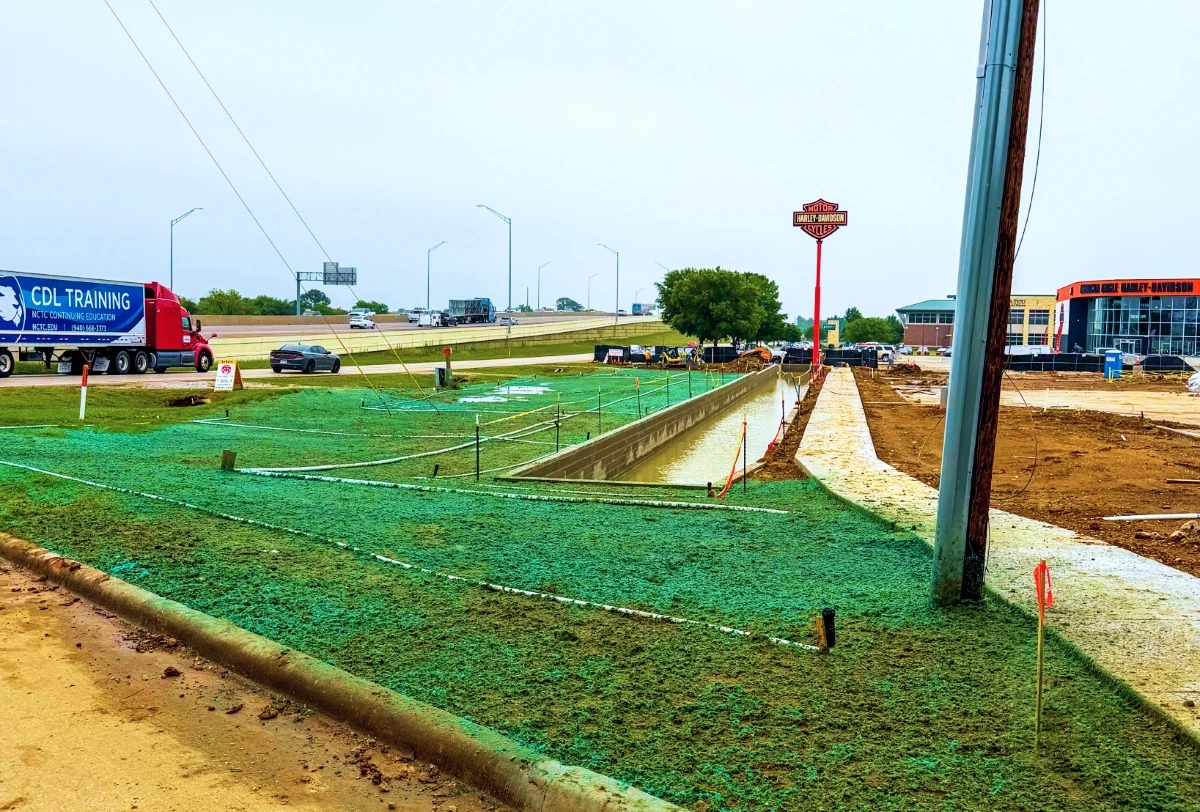
Commercial landscaping projects require more than simply spreading seed across a large area and hoping for successful growth. Businesses, developers, municipalities, property managers, and contractors often need a practical way to establish healthy grass across expansive sites while controlling erosion and maintaining a professional appearance. Commercial hydroseeding services provide an efficient approach by combining seed, water, mulch, fertilizer, and other suitable amendments into a sprayable mixture. This method can cover large areas more uniformly than many traditional seeding techniques. Understanding the process, costs, benefits, and maintenance requirements can help property owners make a better-informed landscaping decision.
What Are Commercial Hydroseeding Services?
Commercial hydroseeding services involve applying a carefully prepared slurry to soil surfaces using specialized equipment designed for landscape-scale applications. The mixture commonly contains grass seed, water, fiber mulch, fertilizer, and sometimes soil amendments selected according to site conditions. Once sprayed, the mulch helps maintain moisture around the seed while providing some protection against erosion and environmental exposure. The approach can be particularly useful for construction sites, commercial properties, roadways, parks, sports fields, and large landscaped areas. A professional contractor can adjust the mixture and application method according to the project's soil, climate, drainage, and intended use.
One of the major advantages of hydroseeding is its ability to distribute seed relatively evenly across broad or irregular surfaces. Traditional broadcast seeding can sometimes leave areas with excessive seed while other sections receive insufficient coverage. Hydroseeding equipment allows contractors to apply the mixture across slopes, open spaces, and difficult-to-reach areas with greater consistency. The fiber mulch also creates a protective layer over the soil that can help reduce moisture loss and protect newly applied seed. For large commercial properties, these characteristics can make the process efficient while supporting more consistent vegetation establishment.
How Does the Commercial Hydroseeding Process Work?
The process usually begins with evaluating the site before any seed mixture is applied. Contractors may examine soil quality, grading, drainage, sunlight exposure, existing vegetation, erosion concerns, and the property's intended use. Proper soil preparation is important because even a high-quality seed mixture cannot compensate for severely compacted, poorly drained, or unsuitable soil. Depending on conditions, preparation may include removing debris, loosening compacted soil, improving grading, adding amendments, or correcting drainage problems. A professional assessment helps determine the appropriate seed blend and application strategy for the project.
After preparation, the contractor develops a hydroseeding mixture based on the project's requirements. Grass species are selected according to the regional climate, expected foot traffic, sunlight, soil characteristics, and desired appearance. The seed is then combined with water, mulch, and other materials in a hydroseeding tank before being mechanically agitated to create an even slurry. The mixture is sprayed over the prepared surface using equipment capable of covering substantial areas efficiently. Following application, the site needs appropriate irrigation and monitoring so the developing seedlings have favorable conditions during the early growth stage.
What Factors Affect Hydroseeding Cost?
The cost of commercial hydroseeding services can vary considerably because every project has different site conditions and requirements. Total pricing may depend on the size of the property, soil preparation needs, seed selection, terrain, accessibility, mulch type, fertilizer requirements, labor, equipment, and local conditions. A relatively flat site requiring minimal preparation may be considerably less complicated than a steep commercial development with erosion concerns and extensive soil correction. Contractors may price projects by square footage, acreage, project scope, or a combination of labor and material requirements. For that reason, obtaining a site-specific estimate is generally more useful than relying on a single universal price.
Site preparation is one of the factors that can have a significant effect on the overall budget. If the soil is already graded, adequately fertile, and ready for application, the hydroseeding portion may be relatively straightforward. However, heavily compacted soil, construction debris, drainage problems, severe erosion, or poor-quality topsoil can require additional work before seeding begins. Seed selection can also influence the cost because specialized commercial blends may be more expensive than basic grass varieties. Property owners should therefore compare estimates based on the complete scope of work rather than choosing a contractor solely because of the lowest initial price.
What Are the Main Benefits of Commercial Hydroseeding?
One important benefit of hydroseeding is efficient coverage, especially when a property contains extensive open ground. Instead of manually distributing seed over a large area, specialized equipment can apply the slurry across broad sections in a relatively short period. The mulch component helps create a favorable microenvironment around the seed by supporting moisture retention and reducing direct exposure to wind and weather. When the site has been properly prepared and maintained, this can support more uniform grass establishment. The method is therefore well suited to many commercial projects where both coverage and appearance are important.
Hydroseeding can also be useful for erosion control when the appropriate mixture and application strategy are selected. Bare soil can be vulnerable to wind and water erosion, particularly on slopes or recently disturbed construction sites. Establishing vegetation helps create root systems that eventually stabilize the soil, while the applied mulch can provide temporary surface protection during the early stage. However, hydroseeding should not be viewed as a substitute for engineered erosion-control measures when a site has serious drainage or structural concerns. Professional contractors can determine whether additional erosion-control products or techniques are necessary.
Another advantage is flexibility in seed selection. Commercial projects can require different grass characteristics depending on whether the property is an office complex, roadside area, athletic field, industrial facility, park, or residential development. A suitable seed blend can be selected to match the property's environmental conditions and expected use. Some projects may prioritize drought tolerance, while others may emphasize appearance, traffic tolerance, rapid establishment, or seasonal performance. Selecting the right seed is an important part of the process because the best grass for one property may perform poorly on another.
Commercial Hydroseeding vs. Traditional Seeding
Traditional seeding methods can work effectively for smaller or easily accessible areas, but large commercial properties may present challenges that make manual application less practical. Broadcasting seed requires careful distribution and may demand significant labor when the area is extensive. Hydroseeding allows seed and protective materials to be applied together, which can simplify coverage across large or uneven areas. It may also be advantageous on moderate slopes where conventional equipment is difficult to operate. The most suitable method ultimately depends on the project's size, terrain, budget, timeline, and soil conditions.
Property owners sometimes search for residential hydroseeding near me when comparing options for smaller properties or when they want to understand how residential and commercial applications differ. The underlying concept is similar, but commercial projects often involve larger areas, specialized equipment, more detailed site preparation, and different seed requirements. Residential hydroseeding may be appropriate for new lawns, renovations, slopes, or properties with significant bare areas. Commercial applications generally require greater coordination because landscaping work may need to fit around construction schedules, access restrictions, tenants, customers, or other contractors.
How to Prepare a Property for Hydroseeding
Successful hydroseeding starts before the spraying equipment arrives. The soil should generally be free of large debris, excessive weeds, and construction waste, while grading should provide suitable drainage and a reasonably smooth planting surface. Compacted areas may need mechanical loosening so roots can establish more effectively. Soil testing can also provide useful information about nutrient levels and pH, particularly when a project involves extensive new construction or visibly poor soil. Addressing these issues before application can improve the growing environment and reduce the risk of wasting seed and materials.
Water management is equally important after hydroseeding. Newly seeded areas typically require consistent moisture during germination and early establishment, although irrigation should be adjusted according to weather, soil type, and site drainage. Excessive watering can create runoff, puddling, or seed displacement, while insufficient moisture can slow germination and weaken emerging grass. Commercial property managers should establish an irrigation and monitoring plan before the project begins. During the first several weeks, the site should be inspected regularly for dry areas, erosion, washouts, weeds, and uneven growth so problems can be addressed promptly.
Choosing the Right Commercial Hydroseeding Contractor
Choosing a qualified contractor is one of the most important decisions in a hydroseeding project. Businesses should look for contractors with relevant experience, appropriate equipment, knowledge of local growing conditions, and a clear understanding of commercial site requirements. Ask for details about the proposed seed blend, mulch type, soil preparation, fertilizer program, irrigation expectations, estimated schedule, and maintenance recommendations. A professional company should be willing to explain why particular materials and procedures are appropriate for the property instead of offering a generic package. Reviewing previous projects and relevant customer feedback can also provide useful insight into workmanship and reliability.
A detailed estimate should clearly explain what is included in the proposed service. Property owners should determine whether grading, soil amendments, fertilizer, erosion-control materials, follow-up inspections, and initial maintenance are included or billed separately. It is also helpful to ask how weather delays or changes in site conditions could affect the project schedule. Comparing several qualified contractors can reveal differences in preparation standards and service quality that may not be obvious from the headline price. The goal should be to select a contractor capable of establishing durable turf rather than simply finding the cheapest application.
Maintenance After Commercial Hydroseeding
Hydroseeding is the beginning of the lawn-establishment process rather than the final step. Newly seeded grass needs suitable moisture, protection from excessive traffic, and appropriate care while roots develop. Irrigation should generally provide frequent moisture during germination, with adjustments made as the grass becomes established. Once the seedlings develop stronger root systems, watering practices can gradually transition toward deeper and less frequent irrigation where appropriate for the grass variety and local climate. Property managers should also avoid unnecessary vehicle or foot traffic over vulnerable areas during the early growth period.
Mowing should begin only when the grass has reached an appropriate height and has developed enough strength to tolerate the equipment. Cutting too early can damage young plants, while allowing grass to become excessively tall can create other maintenance problems. Fertilization should also follow the recommendations associated with the selected grass species and soil conditions rather than being applied excessively. Regular inspections can help identify weeds, bare patches, erosion, irrigation problems, and disease symptoms before they become larger issues. Consistent maintenance is essential for turning an initial hydroseeding application into an attractive and durable commercial landscape.
Is Commercial Hydroseeding Worth the Investment?
For many large properties, commercial hydroseeding services can offer an efficient way to establish vegetation while combining seed, mulch, water, and nutrients in a single application. The method can be especially valuable when large areas need coverage, when erosion is a concern, or when traditional seeding would require extensive labor. However, the success of a project depends heavily on soil preparation, appropriate seed selection, weather conditions, irrigation, and post-application maintenance. Hydroseeding is not a guaranteed shortcut to a healthy lawn, and professional planning remains important. When these factors are handled correctly, the method can provide strong value for many commercial landscaping applications.
Before approving a project, property owners should request a detailed assessment and written estimate from an experienced contractor. The estimate should account for site preparation, seed selection, mulch, fertilizer, labor, equipment, irrigation requirements, and any erosion-control measures that may be necessary. Rather than focusing only on the initial price, consider the contractor's experience, materials, communication, and approach to long-term establishment. Whether the project involves a new development, commercial lawn renovation, roadside vegetation, or a large open property, choosing the right method and maintaining it properly can make a substantial difference. With realistic expectations and professional execution, hydroseeding can be a practical solution for establishing healthy commercial turf across large areas.
What's Your Reaction?
 Like
0
Like
0
 Dislike
0
Dislike
0
 Love
0
Love
0
 Funny
0
Funny
0
 Wow
0
Wow
0
 Sad
0
Sad
0
 Angry
0
Angry
0















Comments (0)