

The Difference Between a Burrito and a Wrap
Learn the key differences between a burrito and a wrap, from tortillas and fillings to rolling techniques, cultural origins, and authentic Mexican flavors.
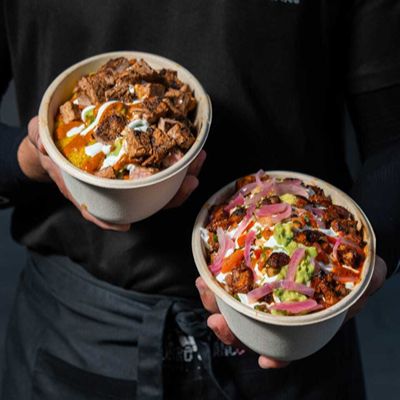
At a glance, a burrito and a wrap can look almost identical, both are rolled, both fit neatly in one hand, and both are built around a flatbread holding a mix of fillings together. Look closer, though, and the burrito reveals a genuinely distinct identity, one rooted in specific ingredients, technique, and culinary tradition rather than just a convenient shape.
The Tortilla Itself Sets the Foundation
A proper burrito starts with a flour tortilla, typically a larger, softer variety specifically designed to hold a substantial amount of filling without tearing. A wrap, by contrast, can be made from a much wider range of bases, spinach or tomato-flavored tortillas, pita bread, lavash, or other flatbreads borrowed from entirely different culinary traditions. This flexibility is part of what makes a wrap such a broad, catch-all category, while a burrito stays anchored to its specific tortilla foundation as a core part of its identity.
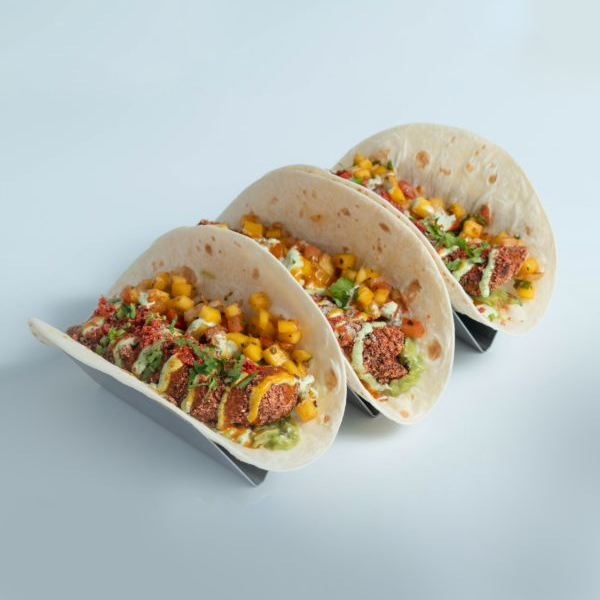
Fillings Reflect Two Different Culinary Traditions
A burrito's fillings draw directly from Mexican and Tex Mex cooking, rice, beans, seasoned meat, salsa, guacamole, and cheese, all combined in ways shaped by generations of established technique. A wrap's fillings, on the other hand, can come from virtually anywhere, Mediterranean-style chicken and hummus, Asian-inspired vegetables and peanut sauce, or a simple deli-style combination of meat, lettuce, and dressing. The burrito's ingredient list tends to follow recognizable patterns rooted in a specific cuisine, while a wrap borrows freely across cuisines without that same anchor.
Rolling Technique Isn't Actually the Same
Both dishes get rolled, but the technique and structural expectations differ. A well-made burrito is rolled tightly, with the ends folded in first to create a fully sealed package that holds together through a hearty amount of rice, beans, and sauce without falling apart. A wrap is often rolled a bit more loosely, sometimes cut in half and served open-ended, since many wrap fillings don't carry the same volume of loose, sauced ingredients that a proper burrito is built to contain.
Portion and Heft Set Them Further Apart
A traditional burrito tends to be heartier and more substantial than most wraps, largely because of how much it's designed to hold. Rice and beans alone add real bulk that most wrap recipes skip entirely in favor of a lighter, more salad-like filling. This is part of why a burrito reads as a complete, standalone meal, while a wrap often feels closer to a lighter lunch option, even when both are roughly similar in overall size.
Cultural Origin Matters More Than It Might Seem
A burrito carries genuine cultural and culinary roots tracing back to Mexico, evolving over generations into the specific dish recognized today. A wrap, as a category, doesn't really have a single cultural origin in the same way, it's more of a modern culinary format that different cuisines have adopted and adapted for convenience. This distinction matters for anyone who cares about authenticity, since calling every rolled flatbread dish a "wrap" tends to flatten the specific culinary tradition a proper burrito actually represents.

Why the Difference Actually Matters When Ordering
Understanding this distinction helps set the right expectations when ordering. Someone craving a genuine burrito, rice, beans, bold Mexican or Tex Mex flavors, and that specific tightly rolled structure, will likely be disappointed by a generic deli wrap marketed under a similar name. Knowing the difference means ordering the dish that actually delivers the flavor and heft being craved, rather than settling for a loosely related substitute.
Where a Burro Restaurant Like Burro Blanco Gets It Right
Burro Blanco, a Mexican street food spot with multiple locations across Dubai, builds its menu specifically around the traditional burrito rather than a generalized wrap format, loading options like grilled adobo chicken with cilantro lime rice, beans, and guacamole into a properly rolled, substantial tortilla. For anyone who's grown tired of generic wraps marketed as something they're not, a dedicated burro restaurant built around authentic Mexican food and Tex Mex tradition makes the difference immediately obvious from the first bite.
Two Dishes, Two Distinct Identities
A burrito and a wrap might share a similar silhouette, but they represent genuinely different culinary traditions, ingredient philosophies, and eating experiences. The burrito stays rooted in its Mexican origins, hearty, bold, and specifically built to hold a substantial meal together, while the wrap remains a flexible, borderless format shaped by whatever cuisine happens to be filling it that day. Knowing the difference isn't just a technicality, it's the key to ordering exactly the meal you're actually craving.
For more information,
Contact: +97144576051
Instagram: burroblancouae
Location: Burro Blanco Motor City, United Arab Emirates
What's Your Reaction?
 Like
0
 Dislike
0
 Love
0
 Funny
0
 Wow
0
 Sad
0
 Angry
0
















Comments (0)