

Why Your Brand Activation May Be Reaching the Wrong Audience
Here's an uncomfortable possibility worth considering before your next launch: the best-attended activation of the year might also be reaching the wrong people entirely.
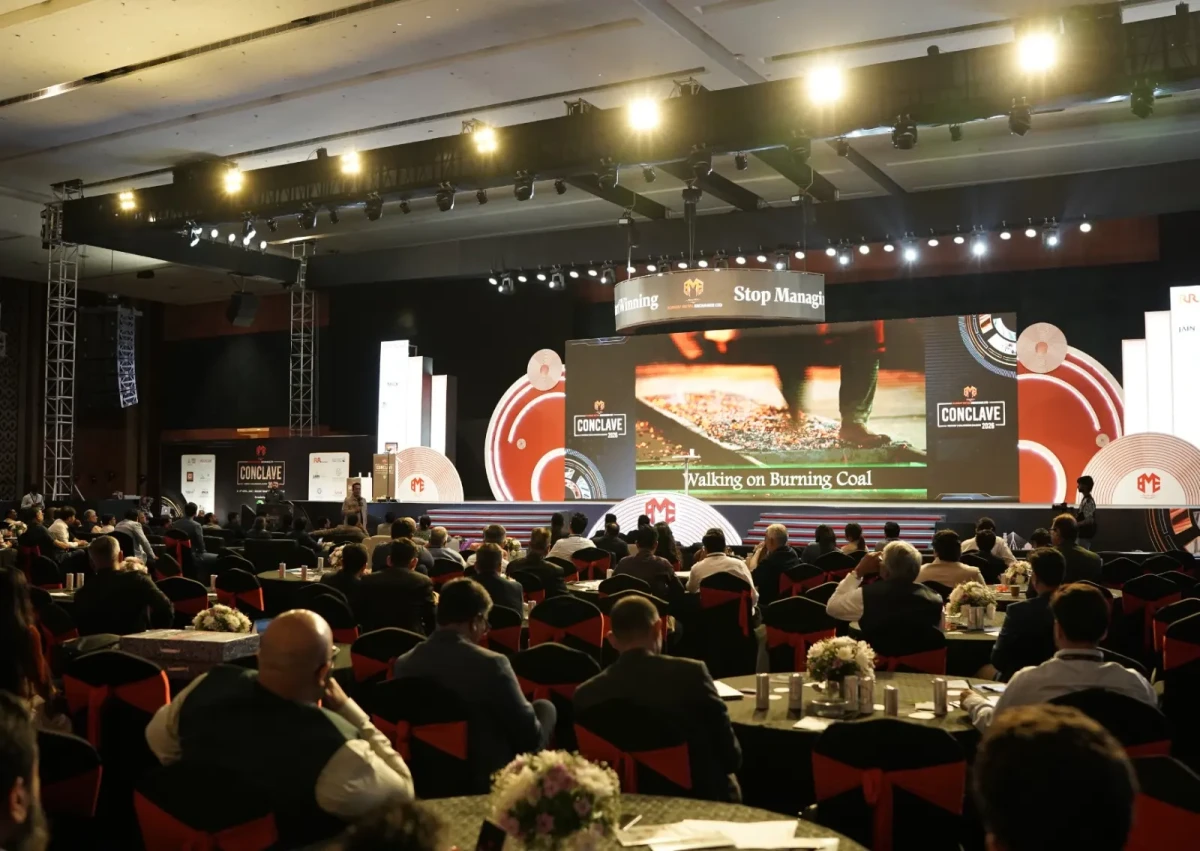
A packed activation feels like proof of success. Long lines, full parking lots, a steady stream of foot traffic - it's easy to read all of that as validation. But a crowd and an audience are not the same thing, and a lot of brands only discover the difference once the follow-up numbers come in flat. Any experienced experiential marketing agency will say the same thing: a big turnout with the wrong people in it is often more expensive than a smaller turnout with the right ones.
If your last activation drew plenty of attention but not the outcome you needed, it's worth asking a harder question than "how do we get more people to show up." It's "who, exactly, were we trying to reach - and did we actually reach them?"
A Crowd Is Not an Audience
It's a subtle distinction, but it changes almost every planning decision that follows.
A crowd is anyone who happens to be nearby when something interesting is happening. An audience is the specific group of people whose behavior, purchase, or perception you actually need to change. An activation can be enormously popular with a crowd and completely invisible to its intended audience, especially if location, timing, or tone were chosen for maximum footfall rather than maximum relevance.
A few honest questions tend to expose the gap early:
-
Was the location chosen because the target audience actually spends time there, or because it has the most foot traffic?
-
Was the tone and format built around what this specific audience values, or around what looks impressive in a recap video?
-
Would the people who showed up actually be in a position to buy, recommend, or decide - or are they simply nearby and curious?
How a Brand Experience Agency Defines the Right Audience Before Designing Anything
A capable brand experience agency treats audience definition as the very first design decision, before a single concept sketch, because everything else - venue, tone, format, staffing - depends on getting it right.
For B2C brands, this usually means going well past basic demographics into actual behavior: where this specific group spends time, what they already care about, and what would feel authentic rather than intrusive in that context. For B2B brands, it means defining an ideal customer profile with enough precision that a booth or dinner can be built specifically for the handful of roles that actually influence a purchase decision, rather than for "anyone in the industry."
Two brief, well-known cautionary examples make the cost of skipping this step clear. One automaker's interactive product demo drew plenty of attention at a golf event, but the tone of the AI-driven feedback it gave participants came across as mocking rather than playful, and it left the target audience feeling worse about the brand than before they'd engaged with it. Around the same period, a major apparel brand rolled out a redesigned logo without consulting the customers whose loyalty the brand actually depended on - the backlash was sharp enough that the company reversed the decision within days. In both cases, the audience wasn't unclear. It simply wasn't consulted, and the activation was built around an assumption instead of a fact.
Looking for Examples of Experiential Marketing That Helped B2B Brands
B2B experiential is a useful case study in audience precision, mostly because the cost of reaching the wrong person is so immediate and so visible.
The strongest B2B activations are deliberately exclusive. Invite-only dinners, small product roadshows, and curated demo sessions consistently outperform larger, open-invitation events, because every person in the room was chosen rather than simply present. One trade show comparison makes this vivid: a smaller, more targeted set of interactions generated close to $1.9 million in pipeline, while a larger but less qualified set of interactions from the year before generated almost nothing. Same booth, same budget - the only real difference was who was actually in front of it.
A few patterns worth borrowing from B2B audience targeting:
-
Well-targeted B2B experiential programs return three to eight times their cost, measured against qualified pipeline rather than total attendance.
-
Deal cycles for prospects reached through a precisely targeted experience shorten by 25 to 40 percent compared with broader outreach.
-
The size of the audience matters far less than how precisely it was defined before the invitation list was ever built.
Tips for Brands to Create Memorable Interactive Installations
A few habits keep an installation aimed at the right people instead of simply the nearest people:
-
Research the audience before designing the experience, not after. Age, context, cultural background, and daily behavior all shape what will land and what will fall flat.
-
Test the concept with a small group from the actual target audience before launch. A short round of consultation catches tone problems long before they become a public one.
-
Resist copying a competitor's format wholesale. An activation built for someone else's audience rarely translates cleanly to yours, even in the same industry.
-
Choose location based on where your specific audience already is, not where the most people happen to be. High foot traffic is only valuable if it's the right foot traffic.
-
Read the surrounding context of a space before occupying it. An activation that ignores what's already happening around it risks feeling like an interruption rather than a welcome addition.
What Do Retail Brands Gain From Immersive Marketing Activation
Retail is arguably the easiest place to confuse a crowd with an audience, because foot traffic is so visible and so easy to mistake for interest.
With roughly 84 percent of marketers now treating experiential as a core part of their strategy, the competition for attention inside a retail space has only intensified - which makes audience precision more important, not less. A store that designs its activation around whoever happens to be walking by, rather than the shoppers most likely to actually buy, tends to see a turnout that looks great in photos and unremarkable in sales data.
The retailers getting this right see meaningfully different outcomes:
-
Category conversion during a well-targeted activation window rises by 20 to 40 percent, compared with campaigns aimed at general foot traffic.
-
Interactive experiences built around an actual shopper segment - rather than "everyone in the mall" - routinely outperform broader, less targeted formats on both engagement and sales lift.
-
The strongest retail activations track who actually converts, not just who walked past, which lets the brand refine its audience definition with every campaign instead of guessing again next time.
Reach Fewer People, on Purpose
A packed activation feels like success in the moment, and sometimes it is. But turnout alone has never been proof that a campaign reached the audience it actually needed to move. The brands that consistently perform well aren't the ones chasing the biggest crowd - they're the ones willing to define, research, and sometimes narrow their audience before a single piece of the experience gets built.
Not sure your next activation is aimed at the right people? StepOn Experience starts every project by defining exactly who needs to walk away changed, then builds the location, tone, and format around that answer. Connect with StepOn Experience before your next campaign locks in a location or a concept.
What's Your Reaction?
 Like
0
Like
0
 Dislike
0
Dislike
0
 Love
0
Love
0
 Funny
0
Funny
0
 Wow
0
Wow
0
 Sad
0
Sad
0
 Angry
0
Angry
0












Comments (0)