

How Chef and Cooking Education Develop Practical Skills
Learn how chef and cooking education develops practical kitchen skills through hands-on training, food safety, cooking methods, and regular practice.
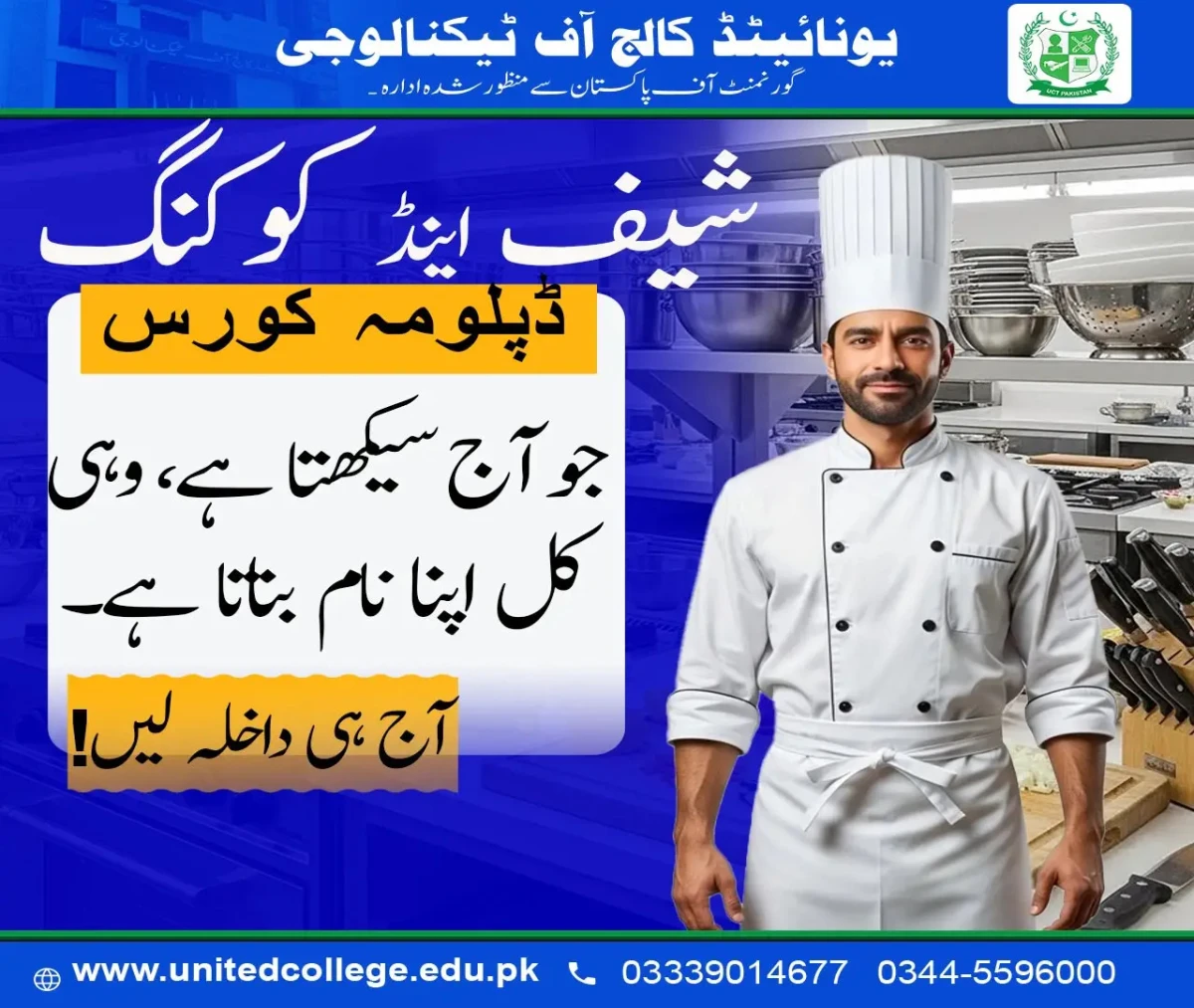
Turning Cooking Knowledge Into Real Skills
Learning about food is different from knowing how to prepare it properly. Beginners need both knowledge and practice to become comfortable working with ingredients, kitchen tools, cooking methods, and food preparation tasks.
Chef and cooking education helps connect classroom knowledge with practical kitchen activities. Through guided learning and repeated practice, beginners can understand how cooking techniques work and develop habits that are useful in both home and professional kitchens.
Learning Basic Kitchen Techniques
Practical skills begin with simple kitchen tasks. Beginners need to understand how to prepare ingredients, use utensils, measure quantities, and follow cooking instructions.
Regular practice can make these tasks easier. As learners become more familiar with kitchen equipment and ingredients, they can work with greater accuracy and confidence.
Developing Safe Knife Skills
Knife handling is an important part of practical cooking. Beginners can learn how to hold knives correctly, choose the right knife for a task, and use safe cutting techniques.
Practicing Basic Cutting Methods
Learners may practice slicing, chopping, dicing, and other basic methods. Starting slowly helps them focus on control and accuracy before trying to increase their speed.
Good knife skills can save time and make ingredient preparation more consistent.
Understanding Cooking Methods
Different foods require different cooking techniques. Education can help beginners understand why boiling, steaming, frying, grilling, baking, roasting, and sautéing produce different results.
Learning Heat and Timing
Temperature and timing can greatly affect food quality. Practical sessions allow learners to see how food changes when exposed to different levels of heat.
With repeated practice, beginners can become better at controlling temperatures and recognizing when food is ready.
Improving Ingredient Preparation
Preparation is an important part of professional kitchen work. Before cooking begins, ingredients may need to be washed, peeled, cut, measured, seasoned, or organized.
This process teaches learners how proper preparation can make cooking smoother. It also introduces them to the professional habit of preparing ingredients and tools before starting a cooking task.
Building Food Safety Awareness
Food safety is a major part of practical kitchen education. Beginners need to understand how to handle food correctly and keep their workspace clean.
Training can cover handwashing, safe food storage, clean equipment, proper handling of raw ingredients, and prevention of cross-contamination.
These habits can protect both cooks and the people who eat the food they prepare.
Developing Kitchen Organization
An organized workspace can make cooking more efficient. Learners can practice keeping ingredients, utensils, and equipment in suitable places while working.
Good organization also makes it easier to manage several cooking tasks. This skill can become especially important in busy professional kitchens.
Improving Time Management
Cooking often involves several tasks that need to be completed at different times. Beginners may initially find it difficult to manage everything at once.
Practical education allows learners to plan their tasks and understand how preparation, cooking, and serving times work together. Better time management can help reduce delays and improve consistency.
Practicing Food Presentation
A dish should not only taste good but also look appealing. Practical learning can introduce beginners to basic food presentation and plating techniques.
Learners can practice arranging food neatly, controlling portions, and keeping plates clean. These skills can become useful parts of professional chef and cooking work.
Building Problem-Solving Skills
Cooking does not always go according to plan. Food may cook too quickly, a sauce may become too thick, or seasoning may not be balanced.
Practical education gives learners opportunities to recognize these problems and make suitable adjustments. This helps develop decision-making and problem-solving skills.
Learning Through Repetition
One of the most effective ways to improve practical ability is repetition. Performing the same kitchen task several times can help learners understand the correct process and become more confident.
Repeated practice also helps reduce hesitation. Over time, simple tasks such as chopping vegetables, measuring ingredients, and controlling heat can become more natural.
Developing Teamwork Skills
Professional kitchens often depend on teamwork. Cooks may need to share tasks, communicate with other staff, and complete food preparation within a set time.
A structured chef and cooking training program can give learners opportunities to work with others. This can help them develop communication, cooperation, and workplace discipline.
Supporting Chef and Cooking Certification
Some learners may choose to complete chef and cooking certification as part of their education. Certification can show that a learner has completed a particular area of study.
However, practical ability remains important. Combining certification with hands-on practice can provide a stronger foundation for continued learning and professional development.
Preparing for a Chef and Cooking Career
Practical education can help beginners understand what working in a kitchen may involve. Skills such as food preparation, hygiene, cooking, organization, teamwork, and time management can all support future employment.
People interested in a chef and cooking career can continue developing their skills through workplace experience and advanced learning. The culinary field offers different areas to explore, including restaurants, hotels, catering, baking, and food preparation.
Making Practical Learning More Effective
Learners can improve their progress by staying active during practical sessions. Asking questions, practicing techniques, and reviewing mistakes can make learning more useful.
It is also helpful to practice outside formal lessons. Trying simple recipes at home and gradually increasing the difficulty can strengthen skills and confidence.
Building Skills for the Future
Practical cooking ability develops through a combination of knowledge, guidance, and repeated practice. Chef and cooking education gives beginners a structured way to learn important kitchen techniques while understanding the reasons behind them.
From knife handling and food safety to heat control, organization, and presentation, each skill contributes to better kitchen performance. With regular practice and a willingness to learn, beginners can turn basic cooking knowledge into practical skills that support their future goals.
What's Your Reaction?
 Like
0
Like
0
 Dislike
0
Dislike
0
 Love
0
Love
0
 Funny
0
Funny
0
 Wow
0
Wow
0
 Sad
0
Sad
0
 Angry
0
Angry
0
















Comments (0)