

Gymwear in Pakistan: How to Choose a Kit That Survives Heat, Sweat and Heavy Training
Gymwear in Pakistan: How to Choose a Kit That Survives Heat, Sweat and Heavy Training
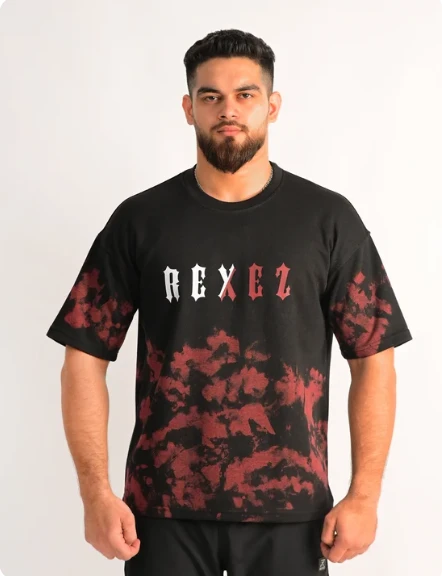
Short answer: good gymwear is fabric that pulls sweat off your skin, stretch that moves with you, and stitching that holds up in a hot wash. In Pakistan, where summer training happens in 40°C heat and heavy humidity, breathable synthetic blends beat pure cotton almost every time. Fit and seam quality matter more than the logo on the chest.
That is the whole guide in one paragraph. The rest explains how to apply it in a real shop, on a real budget.
What Counts as Gymwear?
Gymwear is clothing built for training, not just clothing you happen to train in. The difference is in the fabric and the cut.
A normal cotton T-shirt soaks up sweat and holds it. Proper gym wear moves sweat to the outside of the fabric, where it can dry. A normal pair of trousers restricts your squat depth. Training shorts are cut to let your hips open.
The basic categories are simple:
-
Tops: t-shirts, tank tops, compression shirts, hoodies
-
Bottoms: training shorts, joggers, leggings, tights
-
Layers: zip-up jackets and windbreakers for early morning sessions
-
Support: socks, belts, wrist wraps, gloves
You do not need all of it. Two or three good sets beat ten cheap ones.
Why Pakistan's Weather Changes the Rules
Most gymwear advice online is written for cool, dry climates. That advice does not survive a July afternoon in Lahore or Karachi.
Three local realities should shape what you buy.
1. Heat plus humidity slows drying
In dry heat, sweat evaporates fast and cools you. In humid air, it does not. Karachi's coastal humidity means sweat sits on the fabric. Heavy cotton becomes a wet towel within twenty minutes.
Choose light, thin, quick-drying fabric for summer. Save cotton-heavy pieces for winter.
2. Many gyms are not fully air-conditioned
Plenty of neighbourhood gyms run on fans and open windows, especially during load-shedding hours. Your clothing is doing more of the cooling work than you think. Airflow through the fabric matters. Mesh panels under the arms and across the back are not just styling.
3. Winter still needs layers
Northern Punjab, Islamabad, and KP get genuinely cold mornings. A fleece-lined hoodie you can remove after your warm-up is more useful than one thick sweatshirt you sweat through.
Fabric Guide: What to Look For
This is the part most buyers skip. It is also the part that decides whether a piece lasts six months or three years.
Polyester is the workhorse of gym wear. It is light, dries fast and holds colour well. It does trap odour more than cotton, so it needs proper washing.
Nylon feels smoother and softer than polyester and resists abrasion well. It is common in premium leggings and shorts.
Elastane (also called spandex or Lycra) is the stretch fibre. You only need a small share of it. Around 5% to 10% in a blend gives enough recovery for squats and lunges without the fabric going baggy.
Cotton is comfortable and breathable but absorbs a lot of water. Great for rest days, walking to the gym, or cold weather. Poor for high-sweat sessions.
Blends are usually the smart buy. A polyester-elastane mix gives you moisture management plus stretch. A cotton-poly blend gives comfort with faster drying than pure cotton.
One more term worth knowing: GSM, or grams per square metre. It measures fabric weight. Roughly, 130 to 160 GSM is a light summer tee. 200 to 280 GSM is a mid-weight sweatshirt. 300 GSM and above is a proper winter hoodie. If a listing tells you the GSM, that is usually a sign the seller knows their product.
Gymwear for Men: A Sensible Starting Kit
If you are building a wardrobe from zero, buy in this order.
-
Two performance t-shirts. Light polyester blend. One dark, one neutral.
-
One pair of training shorts. Look for a 7-inch inseam for general training, shorter for leg day if you want free hip movement.
-
One pair of joggers. Tapered, with a real drawcord, for winter and for travel to the gym.
-
Proper socks. Cushioned, synthetic blend. Cotton socks cause blisters when wet.
-
A zip hoodie. Added once the weather turns.
Two shirts and one pair of shorts will get most people through a training week with one wash cycle. Add more only once you know what you actually reach for.
For women, the same logic applies, with a properly fitted sports bra as the first purchase rather than an afterthought.
How to Judge Quality Before You Pay
You can check most of this in thirty seconds, in the shop or when your parcel arrives.
The stretch-and-release test. Pull the fabric sideways and let go. It should snap back flat. If it stays stretched or wrinkled, the elastane content is low or poor quality.
The seam check. Look inside. Flatlock seams lie flat against the skin and reduce chafing on long sessions. Loose threads at the hem are an early warning sign.
The squat test. For shorts and leggings, squat in front of a mirror. Fabric should not go see-through. This is the single most common complaint about cheap gym wear in Pakistan, and it only shows up under tension.
The colour test. Rub a damp white cloth against a dark garment. If dye transfers heavily, expect bleeding in the wash.
The label. A brand that prints its fabric composition is being straightforward with you. A label that says "sportswear" is telling you nothing.
Local Brands vs Imported Options
International labels dominate the conversation, but they carry import duty, shipping, and currency risk. The same technical fabric costs far less when it is cut and stitched locally.
Pakistan has a genuine advantage here. The country is a major textile manufacturing base, and knitwear and activewear production is well established in Faisalabad, Lahore, Sialkot and Karachi. That means competent local gymwear brands can produce technically sound kit without the imported price tag.
Labels such as Rexez Fitwear sit in that space, building activewear and gymwear for local training conditions rather than importing a template designed for a European winter. The practical benefit for buyers is straightforward: easier sizing, faster returns, and no customs surprise on delivery.
The honest caveat is that quality varies widely across the local market. Buy on fabric detail and stitching, not on how good the Instagram photography looks.
Sizing: The Most Common Mistake
Two rules save most people from a bad order.
Ignore the letter, read the chart. A "large" from one brand can measure smaller than a "medium" from another. Measure a t-shirt you already own — chest width, laid flat, and length from shoulder to hem — and compare it against the seller's chart.
Match the fit to the lift. Compression fit suits running and conditioning—regular fit suits general training. Oversized suits casual wear, but loose sleeves catch on the bar during pressing movements.
Care: Making Gymwear Last
Technical fabric fails from bad washing more often than from hard training.
-
Wash in cold or lukewarm water. Hot water damages elastane.
-
Turn garments inside out to protect printed logos.
-
Skip fabric softener. It coats the fibres and blocks moisture-wicking.
-
Air dry in shade. Direct Lahore sun fades colour quickly.
-
Do not leave sweaty kit in a closed bag overnight. That is how permanent odour sets in.
Follow those five points and a good set of gym wear will comfortably outlast two or three cheap ones.
Frequently Asked Questions
Is cotton bad for gym wear?
Not bad, just limited. Cotton absorbs sweat and stays wet, which is uncomfortable in humid weather. It works well for light sessions, winter training and rest-day clothing. For heavy summer training, choose a polyester or nylon blend.
What should gymwear for men cost in Pakistan?
Prices vary by brand and fabric weight, but locally produced performance t-shirts and shorts typically cost a fraction of imported equivalents. Judge value by fabric composition, GSM, and stitching quality rather than by price alone.
How many sets of gym clothes do I actually need?
Three to four sets cover most training schedules with a single weekly wash. Beginners can start with two tops and one pair of shorts and add from there.
Are compression clothes necessary?
No. Compression can feel supportive and reduce chafing, but no clothing replaces training and recovery. Buy it because you like the fit, not because you expect performance gains.
How do I stop gym clothes from smelling?
Wash them soon after training rather than leaving them in a closed bag. Use cold water, skip the fabric softener, and air dry fully in the shade. A monthly soak in diluted white vinegar helps on stubborn synthetics.
Which is better for summer training, shorts or joggers?
Shorts, in almost every case. They allow airflow and dry faster. Keep joggers for winter mornings and for travel to and from the gym.
What's Your Reaction?
 Like
0
Like
0
 Dislike
0
Dislike
0
 Love
0
Love
0
 Funny
0
Funny
0
 Wow
0
Wow
0
 Sad
0
Sad
0
 Angry
0
Angry
0















Comments (0)