

Interior Painting Schaumburg IL: Expert Home Guide
Painting may seem simple, but good results depend on preparation, product choice, and careful application. Small details such as repairing cracks or using the right finish can make a noticeable difference.
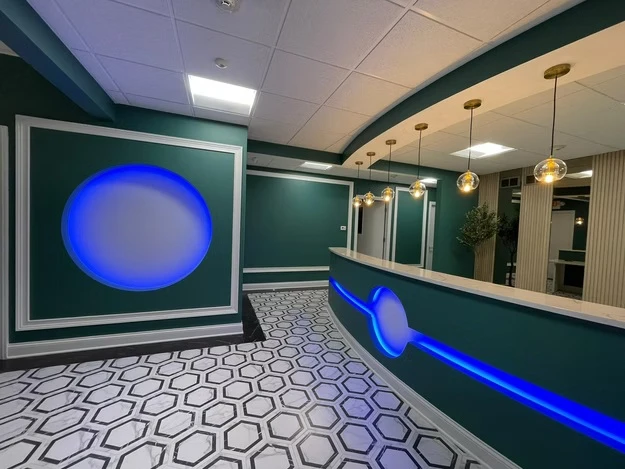
Interior Painting in Schaumburg, IL: A Practical Home Guide
A fresh coat of paint can change how a room looks and feels without requiring a major renovation. New colors can brighten dark spaces, cover worn walls, and give older interiors a cleaner appearance.
Painting may seem simple, but good results depend on preparation, product choice, and careful application. Small details such as repairing cracks or using the right finish can make a noticeable difference.
Homeowners often repaint when moving into a property, updating outdated rooms, preparing a home for sale, or simply wanting a fresh atmosphere. Kitchens, bedrooms, hallways, and living rooms can all benefit from well-planned painting.
When considering interior painting in Schaumburg IL, it helps to think beyond color alone. Wall condition, lighting, room use, surface preparation, and paint durability all affect the final result.
Why Interior Painting Can Improve Your Home
Interior paint does more than cover a wall. It can make rooms feel larger, warmer, brighter, or calmer depending on the colors and finishes selected.
Fresh paint can also hide everyday marks, faded areas, minor stains, and discoloration. This is especially useful in busy areas such as hallways, family rooms, kitchens, and children's bedrooms.
A properly painted interior can also make a home feel better maintained. Clean walls and neat edges give rooms a finished appearance that is difficult to achieve with old or damaged paint.
Proper Preparation Makes a Difference
Good interior painting usually starts before the paint can is opened. Walls should be checked for nail holes, cracks, peeling paint, dents, and other surface problems.
Cleaning and Repairing Walls
Dust, grease, and dirt can prevent paint from bonding correctly. Kitchens and frequently touched areas may need extra cleaning before painting begins.
Small holes and cracks should also be filled and sanded smooth. Skipping these steps can leave visible bumps, uneven patches, or rough areas after the new paint dries.
Protecting Floors and Furniture
Furniture should be moved away from walls when possible. Floors, trim, fixtures, and nearby surfaces should also be protected against drips and splashes.
Careful preparation helps create cleaner lines and reduces the chance of accidental damage during the project.
Choosing the Right Interior Paint
Different rooms often require different paint finishes. A finish that works well in a bedroom may not be the best option for a bathroom or kitchen.
Flat and matte finishes can help hide minor wall imperfections, while eggshell and satin finishes are easier to clean. Semi-gloss paint is commonly used on doors, trim, and surfaces that receive regular contact.
Color selection is equally important. Natural and artificial lighting can make the same paint color look different throughout the day.
Testing a small sample on the wall before painting an entire room can help homeowners avoid unexpected results.
When Professional Painting May Be Helpful
Painting one small room can be manageable for many homeowners. Larger projects, high walls, detailed trim, extensive repairs, and multiple rooms can require much more time and equipment.
Professional painters may also help with surface preparation, smooth application, consistent coverage, and clean finishing around ceilings, doors, windows, and baseboards.
For homeowners looking for local painting information and services, infodetailpainting focuses on helping property owners understand their interior painting options. The goal is to make the process easier to follow, from preparing rooms to choosing suitable finishes and completing the work with care.
How Long Does Interior Painting Take?
Project length depends on room size, wall condition, preparation needs, and the number of coats required. A simple bedroom may take much less time than several connected living spaces.
Drying time also matters. Applying another coat too quickly can affect the appearance and durability of the finish.
Homes with damaged walls or extensive trim work may require additional time because preparation often takes as much attention as painting itself.
Visit us for more: https://www.infodetailpainting.com
Maintaining Newly Painted Walls
Regular light cleaning can help painted walls stay fresh. Dust can be removed with a soft cloth, while washable finishes may allow gentle cleaning of fingerprints or marks.
Avoid aggressive scrubbing unless the paint manufacturer recommends it. Harsh cleaning can create shiny patches or remove part of the finish.
Keeping leftover labeled paint can also be helpful for small future touch-ups.
Conclusion
Interior painting is one of the simplest ways to refresh a home's appearance without changing its structure. The best results come from thoughtful color selection, proper surface preparation, suitable paint products, and careful application.
Whether updating one room or several areas of a home, planning each step can reduce problems and create a cleaner, longer-lasting finish.
Frequently Asked Questions
How often should interior walls be repainted?
Many interior walls are repainted every five to seven years, but busy areas may need attention sooner. Hallways, kitchens, children's rooms, and entryways often experience more marks and wear.
What paint finish is best for living rooms?
Eggshell and satin finishes are common choices because they provide a balanced appearance and are easier to clean than completely flat paint. The best option also depends on wall condition and personal preference.
Frequently Asked Questions
What's Your Reaction?
 Like
0
Like
0
 Dislike
0
Dislike
0
 Love
0
Love
0
 Funny
0
Funny
0
 Wow
0
Wow
0
 Sad
0
Sad
0
 Angry
0
Angry
0














Comments (0)