

Cloud-Based HRM Software: Features, Benefits & How It Works
Cloud based HRM software helps businesses manage employee data, payroll, attendance, leave, recruitment, and other HR processes from a centralized platform. Cloud HRMS improves accessibility, automates routine tasks, supports scalability, and makes HR management easier for modern organizations.
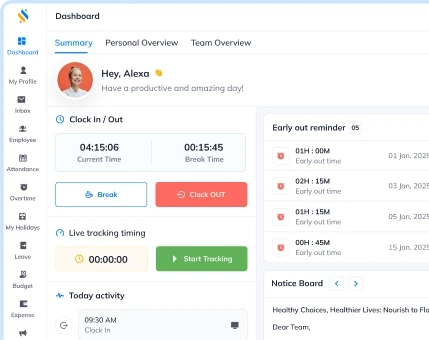
Managing employee information, attendance, leave, payroll, recruitment, and other HR activities can become challenging as an organization grows. Cloud based HRM software provides businesses with a centralized digital platform to manage these HR processes from anywhere with an internet connection.
Unlike traditional HR systems that may require on-premise infrastructure, cloud HR solutions are hosted online. This allows HR teams, managers, and employees to access relevant information through web or mobile applications.
A cloud-based approach can also make HR operations more flexible, especially for organizations with remote, hybrid, or geographically distributed teams.
What Is Cloud HRMS Software?
Cloud HRMS software is a human resource management system hosted on cloud infrastructure. It brings different HR functions together in one platform instead of requiring organizations to manage each process separately.
Depending on the solution, a cloud HRMS may include:
- Employee information management
- Attendance management
- Leave management
- Payroll processing
- Recruitment
- Employee onboarding
- Performance management
- Employee self-service
- HR reports and analytics
- Document management
By connecting these functions, businesses can reduce repetitive administrative work and maintain employee information in a centralized system.
How Does Cloud-Based HRMS Software Work?
A cloud-based HRMS software solution stores HR data on secure cloud infrastructure rather than only on local computers or servers.
HR teams can log into the platform using authorized credentials and manage HR activities online. Employees may also have access to self-service features based on their permissions.
For example, an employee can submit a leave request through the system. The manager can review and approve it, while the HR team can access updated leave information. If the system is integrated with other HR functions, the information can also be used for payroll or reporting.
This connected workflow can reduce the need for manual data transfer between different HR processes.
Key Features of Cloud HRMS
1. Employee Database
A centralized employee database helps HR teams manage employee profiles, job details, documents, contact information, and other workforce data.
2. Attendance and Leave Management
Cloud HRMS platforms can help organizations track attendance, working hours, leave balances, holidays, and employee requests.
3. Payroll Management
A cloud HRMS can connect employee information, attendance, leave, and payroll processes. This can help reduce manual calculations and make payroll processing more organized.
4. Recruitment and Onboarding
Recruitment features can help HR teams manage candidates, while onboarding workflows can help collect employee information, documents, and joining requirements.
5. Employee Self-Service
Employee self-service allows employees to access HR information and perform routine activities without depending on HR for every request.
Employees may be able to:
- Apply for leave
- View attendance
- Access payslips
- Update selected information
- Submit requests
- View company documents
6. Reports and Analytics
HR teams can use reports to understand workforce trends and monitor important HR metrics. Cloud-based reporting can make information easier to access when making workforce decisions.
Benefits of Cloud-Based HRMS Solutions
Access From Anywhere
One of the biggest advantages of cloud-based HRMS solutions is accessibility. Authorized users can access HR information from different locations using an internet-connected device.
This can be particularly useful for remote and hybrid teams.
Reduced Infrastructure Requirements
Because the system is hosted in the cloud, organizations may not need to maintain extensive on-premise hardware for their HR platform.
Better Data Centralization
Employee information can be managed through one centralized platform instead of being spread across multiple spreadsheets, files, and systems.
Automation of Routine Tasks
Cloud HRMS can automate repetitive activities such as leave approvals, notifications, attendance calculations, and certain payroll workflows.
Scalability
As a business grows, its HR requirements also change. Cloud HR systems can provide the flexibility to add employees, processes, and features as needed.
Easier Collaboration
HR teams, managers, and employees can work with the same centralized information based on their access permissions.
Cloud HRMS vs Traditional HR Software
Traditional HR software may require organizations to install and maintain systems on local infrastructure. This can involve hardware, software updates, maintenance, and IT resources.
In contrast, cloud HRMS is hosted online and accessed through the internet. This can provide greater flexibility and reduce the need for organizations to manage the underlying infrastructure themselves.
However, businesses should evaluate factors such as security, integrations, customization, support, pricing, and data management before selecting a solution.
What Is SaaS HR Software?
SaaS HR software stands for Software as a Service for human resource management. Instead of purchasing and installing software on local infrastructure, organizations access the application through the internet, typically under a subscription model.
SaaS HR software can be useful for businesses that want to start using HR technology without managing extensive technical infrastructure.
It can also provide easier access to software updates and new features, depending on the provider and subscription model.
How to Choose Cloud-Based HRMS Software
Before selecting a cloud HR system, businesses should identify their HR requirements and compare available solutions.
Consider factors such as:
- Required HR modules
- Ease of use
- Employee self-service
- Payroll capabilities
- Attendance and leave management
- Recruitment and onboarding
- Reporting and analytics
- Mobile accessibility
- Integration capabilities
- Data security
- Scalability
- Customer support
- Pricing
Organizations should also consider whether the platform can support their future workforce and operational requirements.
Why Businesses Are Moving Toward Cloud HRMS?
As organizations become more distributed and HR processes become increasingly digital, managing workforce information through manual systems can become inefficient.
Cloud based HRM software provides a centralized environment where HR teams can manage employee-related activities while employees and managers can access relevant services remotely.
The combination of automation, accessibility, centralized information, and scalability makes cloud HR technology a practical option for many modern organizations.
Conclusion
Cloud based HRM software can help organizations simplify HR management by bringing employee information and HR processes together on a centralized online platform. From attendance and payroll to recruitment, onboarding, and employee self-service, cloud HRMS software can reduce manual work and improve process efficiency.
Whether an organization is evaluating cloud HRMS, cloud-based HRMS solutions, or SaaS HRMS software, the right choice should be based on business requirements, scalability, security, usability, integrations, and long-term HR goals.
With the right implementation, a cloud-based HR system can provide a flexible foundation for managing employees and supporting HR operations as the organization grows.
What's Your Reaction?
 Like
0
 Dislike
0
 Love
0
 Funny
0
 Wow
0
 Sad
0
 Angry
0













Comments (0)