























How Much Do Dental Fillings Cost in Houston?
Learn dental filling costs in Houston, what affects pricing, insurance options, and ways to save on cavity treatment before decay worsens.
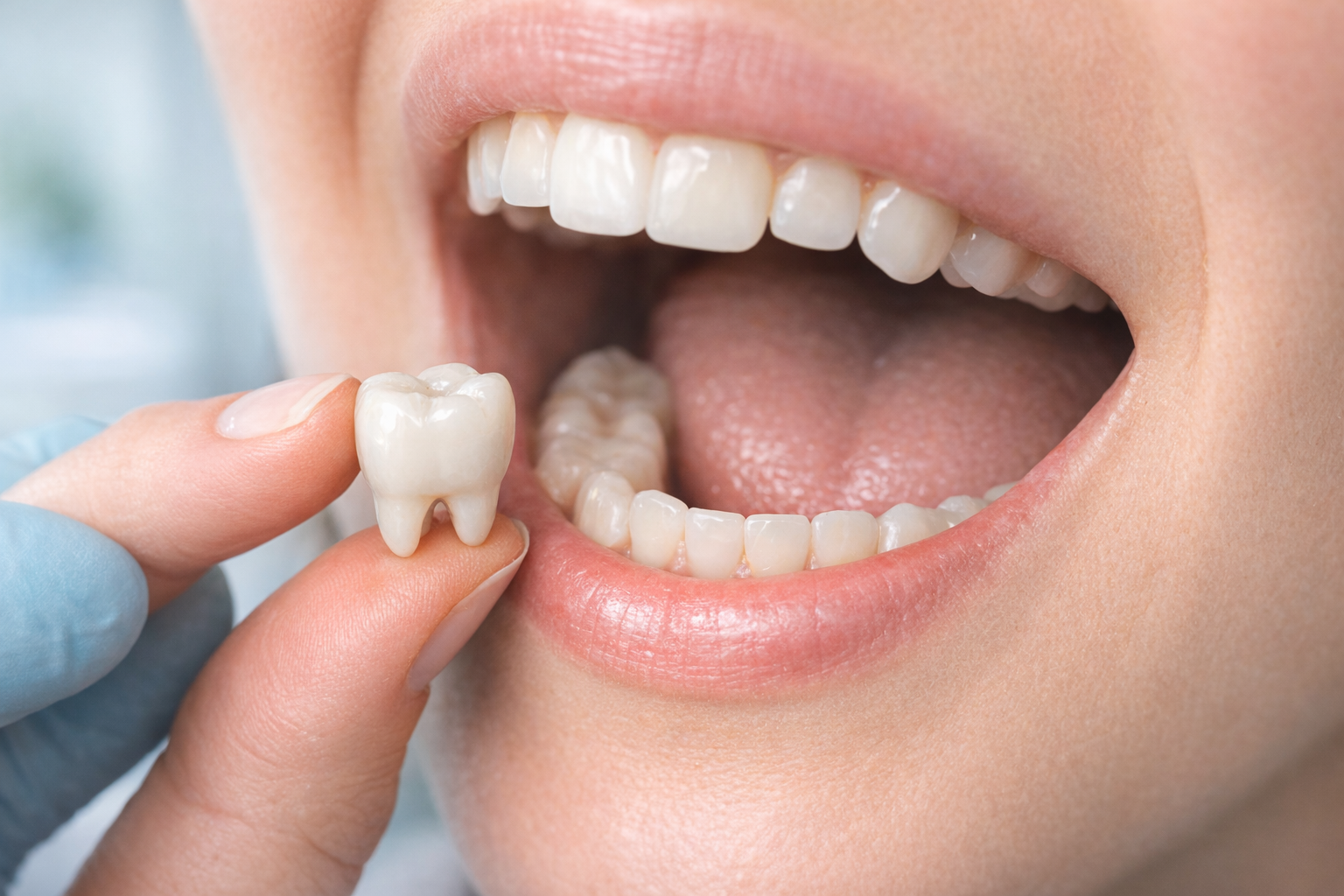
A small cavity may not seem like a big problem at first. It may not even hurt. But once decay starts, it can keep spreading until the tooth becomes painful or infected. That is why dental fillings are so common. They repair small to moderate cavities and help protect the tooth from more damage.
Still, many patients want to know the price before booking treatment. That is completely normal. Dental costs can feel confusing, especially when every clinic has different fees.
If you are checking the Dental Filling Cost in Houston, this guide will explain what affects the price, what types of fillings are available, and how insurance can change your out-of-pocket cost.
What Is a Dental Filling?
A dental filling is a treatment used to repair a tooth damaged by decay, small cracks, or minor wear. The dentist removes the damaged part of the tooth and fills the space with a safe dental material.
The goal is to restore the tooth’s shape, strength, and function. A filling also helps stop decay from spreading deeper.
A Tooth Filling in Houston may be recommended when a cavity is still small enough to repair without a crown or root canal.
Average Dental Filling Cost in Houston
The cost of a filling can vary. In many cases, basic filling prices commonly fall around the $100 to $300 range in Houston, depending on the material and tooth condition. Composite fillings may also fall around that range, though prices can change by office and case.
Here is a simple estimate:
|
Filling Type |
General Cost Range |
|
Amalgam filling |
Usually lower cost |
|
Composite filling |
Mid-range and tooth-colored |
|
Ceramic filling |
Higher cost |
|
Gold filling |
Higher cost |
National cost guides also show that cavity filling prices can vary widely by material, with composite resin often averaging around $191 and common filling ranges reaching from about $100 to $400 or more depending on the case.
So the cost of a filling in Houston depends on more than one thing. Your dentist needs to check the tooth before giving the most accurate estimate.
What Affects the Cost of a Filling?
Size of the Cavity
A small cavity usually costs less to repair. It takes less time and less filling material.
A larger cavity may cost more because the dentist must remove more decay and rebuild more tooth structure.
Tooth Location
Back teeth can be harder to reach. Molars also handle stronger chewing pressure. Because of this, fillings on back teeth may take more time and care.
Front tooth fillings may focus more on appearance because they show when you smile.
Filling Material
The material used can change the cost. Composite fillings match your tooth color and are common for visible teeth. Amalgam fillings are silver-colored and may cost less in some cases.
Ceramic and gold fillings usually cost more because of the material and lab work involved.
Number of Tooth Surfaces
A filling on one surface is usually simpler. A cavity that affects two or three surfaces may take more time and material.
This can increase the total cost.
Dental Exam and X-Rays
Before placing a filling, the dentist may need an exam and X-rays. These help show how deep the decay is.
They also help the dentist decide if a filling is enough or if the tooth needs another treatment.
Types of Dental Fillings
Composite Fillings
Composite fillings are tooth-colored. They blend with your natural smile and are often used on front teeth or visible areas.
Many patients choose composite because it looks natural. It can also be used on back teeth in many cases.
Amalgam Fillings
Amalgam fillings are silver-colored. They have been used for many years and are known for strength.
Some patients choose them for back teeth because they handle chewing pressure well. However, they are more noticeable than composite fillings.
Ceramic Fillings
Ceramic fillings are strong and natural-looking. They may resist stains better than composite.
They usually cost more and may require more planning.
Gold Fillings
Gold fillings are durable, but they are less common today. They are also more expensive than many other options.
Your dentist can explain which material fits your tooth, budget, and cosmetic goals.
Dental Filling Cost Without Insurance
The Cost of Filling Dental Treatment Without Insurance can feel stressful. Without coverage, patients usually pay the full fee themselves.
The final price depends on the cavity size, filling material, exam, X-rays, and number of teeth treated. Some national estimates place uninsured filling costs around the low hundreds per filling, though exact pricing depends on the provider and case.
If you do not have insurance, ask the dental office about:
- Payment plans
- Cash payment options
- Membership plans
- New patient specials
- Written treatment estimates
Getting treatment early can also save money. A small filling is usually cheaper than a root canal, crown, or extraction later.
Does Insurance Cover Dental Fillings?
Many dental insurance plans cover fillings because they are usually considered basic restorative care. The coverage amount depends on your plan.
Some plans may pay a percentage after your deductible. Others may have waiting periods or yearly maximums.
Before treatment, ask your insurance provider:
- Are fillings covered?
- What percentage does my plan pay?
- Is composite covered on back teeth?
- Is there a waiting period?
- What is my yearly maximum?
- Are X-rays covered?
These questions can help you understand your real out-of-pocket cost.
Filling Cost vs Delaying Treatment
Waiting may seem like a way to save money. But with cavities, waiting often makes the problem more expensive.
A small cavity may only need a filling. A deeper cavity may reach the nerve and need a root canal. If the tooth becomes too damaged, extraction may be needed.
Here is a simple comparison:
|
Problem Stage |
Possible Treatment |
General Cost Impact |
|
Small cavity |
Filling |
Lower cost |
|
Deep decay |
Root canal and crown |
Higher cost |
|
Severe damage |
Extraction and replacement |
Higher long-term cost |
So when a dentist recommends a Dental Filling in Houston, it is usually better to treat it early.
What Happens During a Filling Appointment?
A filling appointment is usually simple.
First, the dentist numbs the area if needed. Then they remove the decayed part of the tooth. After that, the tooth is cleaned and prepared for filling material.
The filling material is placed, shaped, and hardened. Finally, the dentist checks your bite to make sure the filling feels comfortable.
Most patients return to normal activities the same day.
Will a Filling Hurt?
Most fillings are not painful because the area can be numbed. You may feel pressure or vibration during the procedure, but sharp pain should not happen.
After the appointment, mild sensitivity can occur. This is common, especially with deeper cavities.
Sensitivity usually improves within a few days. If pain gets worse or your bite feels high, call your dentist.
How Long Do Fillings Last?
Fillings can last for several years, but they are not permanent. Their lifespan depends on the material, cavity size, chewing habits, and oral care.
Good habits can help fillings last longer.
Brush twice daily. Floss once a day. Avoid chewing ice or hard objects. Visit your dentist in Houston for regular exams and cleanings.
If you grind your teeth, ask about a nightguard. Grinding can wear down fillings and natural teeth.
How to Save on Dental Filling Costs
There are a few ways to manage the cost.
Treat cavities early. Use insurance benefits if you have them. Ask for a written estimate before treatment. Compare material options with your dentist.
If you do not have insurance, ask about payment plans or dental membership programs.
Most importantly, do not wait until pain starts. Pain usually means the cavity has gone deeper.
Choosing the Right Dentist for Fillings
Price matters, but it should not be the only thing you consider. A good filling should restore the tooth properly and feel comfortable when you bite.
Look for a dental office that explains your options clearly. You should understand the material, cost, and reason for treatment.
A careful dentist will check the tooth, remove decay fully, and shape the filling so it works well with your bite.
Final Thoughts
Dental filling cost in Houston depends on the cavity size, filling material, tooth location, insurance, and any needed X-rays or exams. A small filling usually costs less, while larger or more cosmetic fillings may cost more.
If you are comparing the Dental Filling Cost in Houston, the best first step is a dental exam. Your dentist can check the tooth and give you a clear estimate.
A filling is not just about fixing a cavity. It helps protect your tooth, stop decay, and prevent more expensive dental problems later.



.webp)