

Dolphin Yoga Position: A Complete Guide to Strength, Flexibility and Balance
The dolphin yoga position is a powerful and versatile pose that helps build strength while improving flexibility. Practiced on the forearms, this posture targets the shoulders, arms, and core, making it ideal for developing upper body stability. The dolphin yoga position also provides a deep stretch for the hamstrings and calves, promoting better mobility and posture. Unlike many weight-bearing poses, it reduces pressure on the wrists, making it suitable for those with wrist discomfort. Regular practice of the dolphin yoga position can enhance balance, increase endurance, and prepare the body for advanced poses like headstands. With consistent effort and proper breathing, this pose supports both physical strength and mental focus.
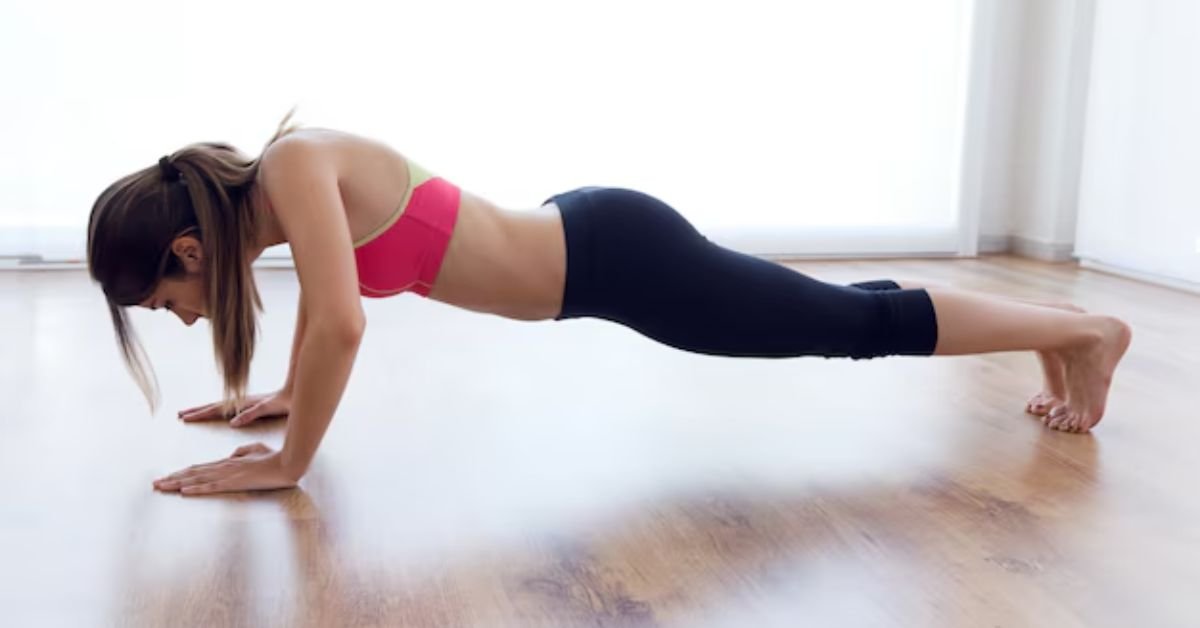
The dolphin yoga position is one of the most effective and versatile poses in yoga, offering a powerful combination of strength, flexibility, and stability. This forearm-based posture is often used as a foundation for more advanced poses, especially inversions, and is suitable for practitioners of all levels. Whether you are a beginner looking to build strength or an experienced yogi aiming to refine your technique, the dolphin yoga position can play a key role in enhancing your overall practice.
In this comprehensive guide, we will explore the many aspects of the dolphin yoga position, including its benefits, step-by-step instructions, variations, common mistakes, and tips for mastering the pose.
What is Dolphin Yoga Position?
The dolphin yoga position is a yoga posture performed on the forearms with the hips lifted toward the ceiling, creating an inverted “V” shape similar to Downward-Facing Dog. However, unlike that pose, the weight is supported by the forearms rather than the hands, which significantly reduces strain on the wrists.
This pose engages multiple muscle groups simultaneously, making it a highly effective full-body exercise. It is commonly used to build strength in the shoulders and core while improving flexibility in the legs and back.
Benefits of Dolphin Yoga Position
The dolphin yoga position offers a wide range of physical and mental benefits that make it a valuable addition to any yoga routine.
1. Strengthens the Upper Body
One of the most important benefits of the dolphin yoga position is its ability to build strength in the shoulders, arms, and upper back. Supporting your body weight on the forearms requires continuous muscle engagement, which helps develop strength and endurance over time.
2. Enhances Core Stability
The core muscles play a crucial role in maintaining balance and alignment in the dolphin yoga position. Engaging the abdominals helps stabilize the body and protect the lower back, making this pose highly effective for core strengthening.
3. Improves Flexibility
The dolphin yoga position provides a deep stretch for the hamstrings, calves, and shoulders. Regular practice can increase flexibility in these areas, improving overall mobility and making other yoga poses easier to perform.
4. Reduces Wrist Pressure
Unlike many yoga poses that require weight-bearing on the hands, the dolphin yoga position shifts the pressure to the forearms. This makes it an excellent alternative for individuals who experience wrist discomfort or pain.
5. Boosts Circulation
As a mild inversion, the dolphin yoga position encourages blood flow toward the upper body and brain. This can help improve energy levels, enhance mental clarity, and promote overall well-being.
6. Builds Endurance
Holding the dolphin yoga position requires both physical strength and mental focus. Over time, practicing this pose helps build stamina and endurance, which can benefit your overall fitness.
7. Prepares for Advanced Poses
The dolphin yoga position is often used as a preparatory pose for inversions such as headstands and forearm stands. It helps strengthen the shoulders and core, making it easier to transition into more advanced postures.
How to Perform Dolphin Yoga Position
To fully experience the benefits of the dolphin yoga position, it is important to practice it correctly.
Step-by-Step Instructions
-
Begin in a tabletop position on your hands and knees.
-
Lower your forearms to the mat, ensuring your elbows are directly under your shoulders.
-
Keep your forearms parallel or interlace your fingers for support.
-
Tuck your toes under and lift your hips toward the ceiling.
-
Straighten your legs as much as your flexibility allows.
-
Press your forearms firmly into the mat and engage your shoulders.
-
Keep your neck relaxed and your gaze toward your feet.
-
Hold the pose for 20–60 seconds while breathing steadily.
-
Slowly lower your knees to release the pose and rest.
Alignment Tips for Dolphin Yoga Position
Proper alignment is essential for maximizing the benefits of the dolphin yoga position:
-
Keep your elbows shoulder-width apart.
-
Avoid letting your shoulders collapse; actively press into the mat.
-
Engage your core to maintain stability.
-
Lengthen your spine and avoid rounding your back.
-
Distribute your weight evenly between your forearms and feet.
Common Mistakes to Avoid
While practicing the dolphin yoga position, be mindful of these common errors:
1. Elbows Too Wide
This can reduce stability and put unnecessary strain on the shoulders.
2. Rounded Back
A rounded back limits the effectiveness of the pose. Focus on keeping your spine long.
3. Overarching the Lower Back
Engage your core to prevent excessive arching and protect your spine.
4. Holding Your Breath
Breathing is essential for maintaining the pose and reducing tension.
5. Forcing the Heels Down
It’s not necessary for your heels to touch the floor. Prioritize alignment over depth.
Variations of Dolphin Yoga Position
To explore different levels of intensity, you can try these variations of the dolphin yoga position:
1. Dolphin Plank
Shift your body forward into a forearm plank to increase core engagement.
2. One-Legged Dolphin
Lift one leg toward the ceiling to challenge your balance and strengthen the lower body.
3. Dynamic Dolphin
Move between dolphin pose and forearm plank for a dynamic flow that builds strength.
4. Supported Dolphin
Use props like a yoga block or bolster for additional support if you are a beginner.
Who Should Practice Dolphin Yoga Position?
The dolphin yoga position is suitable for a wide range of practitioners:
-
Beginners building foundational strength
-
Intermediate yogis improving flexibility and endurance
-
Advanced practitioners preparing for inversions
-
Individuals with wrist discomfort
However, those with shoulder injuries or severe back pain should consult a healthcare professional before practicing.
Incorporating Dolphin Yoga Position into Your Routine
You can include the dolphin yoga position in different parts of your yoga practice:
-
Warm-up: Activate the shoulders and core
-
Main sequence: Build strength and flexibility
-
Cool-down: Stretch and release tension
-
Flow sequences: Transition between poses
Practicing the dolphin yoga position regularly can lead to noticeable improvements in strength, balance, and flexibility.
Breathing Techniques
Breathing is a key component of the dolphin yoga position:
-
Inhale deeply through your nose
-
Exhale slowly while engaging your core
-
Maintain a steady and controlled rhythm
Proper breathing helps you stay focused and improves your overall performance in the pose.
Mental Benefits of Dolphin Yoga Position
In addition to its physical advantages, the dolphin yoga position also offers mental benefits:
-
Encourages mindfulness and presence
-
Reduces stress and anxiety
-
Improves concentration and focus
-
Builds mental resilience
Holding the pose requires determination and awareness, helping you develop a stronger mind-body connection.
Progression and Consistency
Mastering the dolphin yoga position takes time and dedication. Start with shorter holds and gradually increase the duration as your strength improves. Focus on maintaining proper alignment rather than pushing yourself too hard.
Consistency is key to experiencing the full benefits of the dolphin yoga position. Practicing it several times a week can lead to steady progress and improved performance.
Conclusion
The dolphin yoga position is a powerful and highly beneficial yoga pose that supports both physical and mental well-being. From strengthening the upper body and core to improving flexibility and focus, this pose offers a complete workout for the body and mind.
By incorporating the dolphin yoga position into your regular routine and practicing it with proper alignment, you can build a strong foundation for advanced poses while enhancing your overall fitness. Whether you are new to yoga or an experienced practitioner, this pose can help you achieve greater strength, balance, and inner calm.
What's Your Reaction?
 Like
0
Like
0
 Dislike
0
Dislike
0
 Love
0
Love
0
 Funny
0
Funny
0
 Wow
0
Wow
0
 Sad
0
Sad
0
 Angry
0
Angry
0

















Comments (0)