

Understanding the Benefits of Visa 407 for Training in Australia
Discover the key benefits of the Training Visa Subclass 407 in Australia. Learn who qualifies, what industries it covers, and get practical tips to strengthen your application with expert migration guidance.

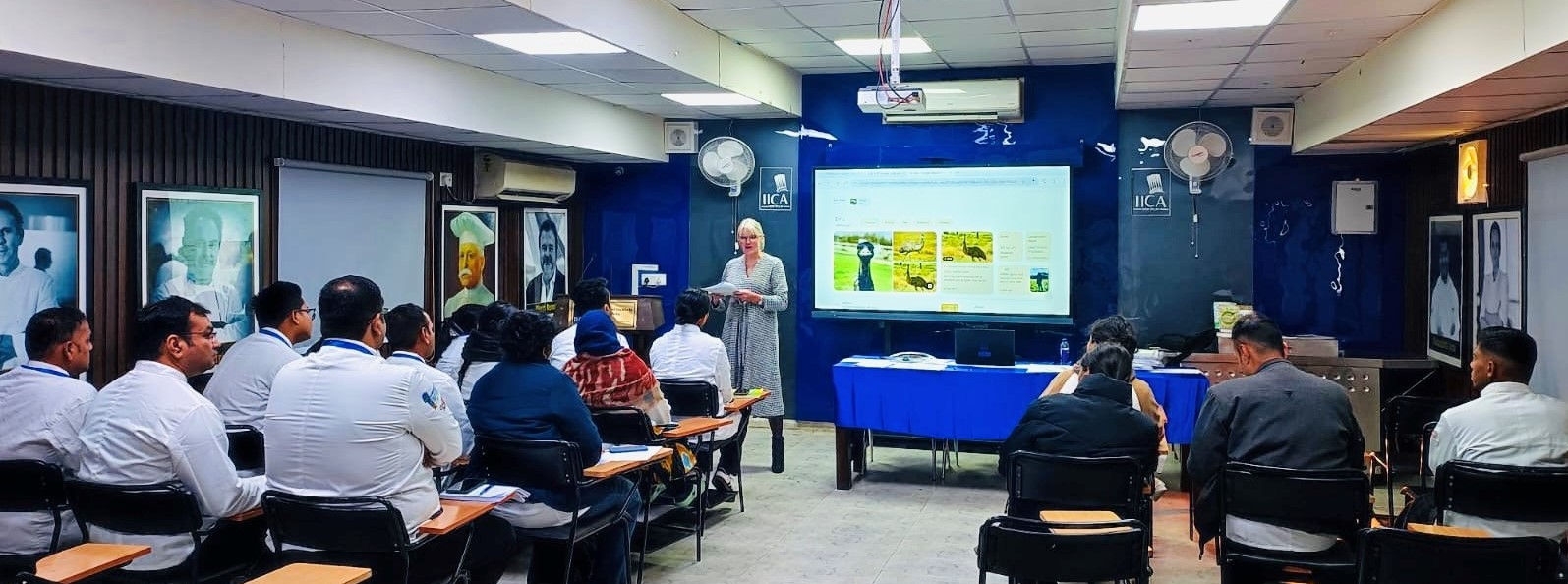
Australia has long been recognized as a global hub for professional development, world-class industries, and cutting-edge workplace practices. For individuals looking to enhance their skills through structured training programs, the training visa subclass 407 offers a valuable and often underutilized pathway into the Australian professional landscape. Whether you are an overseas professional seeking to upskill or an Australian employer wanting to train international staff, understanding this visa category can open significant doors.
What Is the Subclass 407 Training Visa?
The subclass 407 training visa is a temporary visa designed to allow non-citizens to participate in workplace-based training programs in Australia. Unlike work visas that focus on employment, this visa is specifically structured around learning — helping individuals gain practical skills aligned with their occupation or area of study.
The visa is typically granted for up to two years, though the duration often depends on the nature and length of the training program. It is not a pathway visa by itself, but it can complement a broader migration strategy.
Who Is It Designed For?
The visa 407 Australia applicants generally fall into one of three categories:
- Occupational trainees seeking to improve their skills in a nominated occupation
- Participants in overseas student exchange or educational programs
- Individuals developing skills to benefit a developing country
This broad scope makes the 407 visa Australia attractive to professionals from healthcare, engineering, hospitality, agriculture, education, and many other sectors.
Key Benefits of the Visa 407
1. Access to Real Workplace Training
One of the strongest advantages of this visa is that training occurs within an actual Australian workplace — not just a classroom. Participants work alongside experienced professionals, gaining hands-on exposure to Australian workplace culture, standards, and best practices. This kind of practical learning is invaluable and not easily replicated in an academic setting.
2. Employer Sponsorship and Structured Support
The visa requires an approved sponsor — typically an employer, industry body, or government authority — to nominate the applicant. This structure ensures that the training is legitimate, goal-oriented, and tied to real professional outcomes. Sponsors must outline a formal training plan, which adds accountability and clarity to the process.
3. Flexibility Across Industries
From allied health to information technology, from culinary arts to civil construction, the training visa subclass 407 spans a wide range of industries. This flexibility allows applicants from diverse professional backgrounds to benefit from Australian expertise.
4. Opportunity to Build an Australian Professional Network
Spending time within an Australian workplace gives trainees the chance to build meaningful professional connections. These networks can be invaluable for future career prospects, whether applicants return home with enhanced skills or explore further migration options.
Practical Tips for Applicants
Navigating the 407 visa Australia process can be complex, but these tips can help streamline your application:
- Define your training objectives clearly. Immigration authorities look for structured, purposeful training plans. Be specific about what skills you intend to develop and how they are relevant to your occupation.
- Ensure your sponsor is eligible. The nominating organization must be approved by the Department of Home Affairs. Verify their status before proceeding.
- Prepare thorough documentation. This includes evidence of your qualifications, employment history, and the training program details. Incomplete applications are a common cause of delays.
- Understand the visa conditions. The subclass 407 training visa is not a work visa. Participants must not engage in work outside the approved training program without proper authorization.
- Plan your timeline early. Processing times can vary. Submitting your application well in advance of your intended start date allows room for any unforeseen delays.
Make the Right Start with Professional Guidance
Visa applications involve detailed compliance requirements, and even minor errors can lead to costly delays or refusals. Working with a registered migration agent in Adelaide or elsewhere in Australia can significantly improve your chances of a successful outcome. A qualified agent will assess your eligibility, structure your application correctly, and guide you through every step of the process.
The visa 407 Australia pathway is a smart investment in professional growth — and with the right support, it can be a smooth and rewarding journey. If you are considering this visa, take the first step today by consulting a registered professional who understands your unique circumstances.
Ready to explore your options? Reach out to a registered migration agent to discuss whether the subclass 407 training visa aligns with your career and migration goals.
What's Your Reaction?
 Like
0
Like
0
 Dislike
0
Dislike
0
 Love
0
Love
0
 Funny
0
Funny
0
 Wow
0
Wow
0
 Sad
0
Sad
0
 Angry
0
Angry
0
















Comments (0)