

Unraveling the Mystery of Disease X: Fact vs. Fiction
Disease X is a WHO concept for unknown health threats, emphasizing global preparedness. Learn the facts, debunk conspiracy theories, and understand its role in future pandemic response.
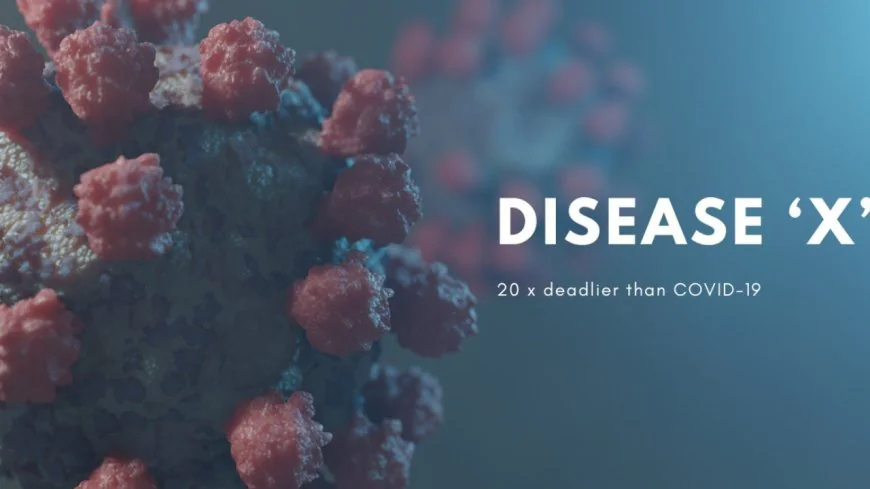
Have you heard of Disease X? It sounds like something straight out of a sci-fi movie, but it's actually a term coined by the World Health Organization (WHO). Let's dive into the details and separate fact from fiction!
What is Disease X?
Disease X is a placeholder name for a hypothetical, unknown pathogen that could cause a future global rise. The WHO introduced this term to emphasize the need for preparedness against potential unknown diseases. It's not a specific disease but a way to highlight the importance of caution and readiness.
The Conspiracy Theories
Despite its scientific origin, Disease X has become a center for conspiracy theories. Some claim it's a fabricated threat designed to introduce fear and control populations. Others believe it's a cover for a secret bioweapon. These theories often spread through social media, fueled by misinformation and fear.
Historical Context
The idea of Disease X isn't entirely new. History has seen numerous epidemics and pandemics caused by previously unknown pathogens, like HIV/AIDS in the 1980s and COVID-19 in 2019. These events have shown the importance of being prepared for the unexpected. Disease X is a proactive strategy designed to ensure that the world can respond immediately to any new threats.
Scientific Preparedness
The WHO's plan for Disease X involves enhancing global surveillance, investing in research and development, and promoting international cooperation. Scientists are working on broad-spectrum antivirals and vaccines that could be effective against a range of pathogens. This approach aims to shorten the response time and save lives when an unknown disease emerges.
It's important to understand that Disease X is not a real disease. It's just a concept used to prepare for the unknown. The WHO and other health organizations use it to ensure we're ready to respond to any future health threats. There's no evidence to support the conspiracy theories, and experts continue to work on pandemic preparedness without any hidden agendas.
The Role of Media
Media plays a significant role in shaping public perception of Disease X. Sensationalized headlines and misinformation can fuel conspiracy theories and create unnecessary panic. It's essential to rely on credible sources and stay informed about the facts. The media can also be a powerful tool for education, spreading awareness about the importance of preparedness.
The Future of Disease X
While Disease X itself isn't real, the idea behind it is. By preparing for the unknown, we can better handle future outbreaks and protect public health. It's a reminder that staying informed and supporting scientific research is key to global health security. Initiatives like the Coalition for Epidemic Preparedness Innovations (CEPI) and the Global Health Security Agenda (GHSA) are working towards this goal, ensuring that we are better equipped for the next pandemic.
What do you think about Disease X? Do you find the concept helpful for pandemic preparedness, or do you think it's just fuel for conspiracy theories?
What's Your Reaction?
 Like
0
Like
0
 Dislike
0
Dislike
0
 Love
0
Love
0
 Funny
0
Funny
0
 Wow
0
Wow
0
 Sad
0
Sad
0
 Angry
0
Angry
0












Comments (0)