

Can Tooth Extraction Help Create Space for Orthodontic Treatment?
Learn how tooth extraction may create the space needed to properly align crowded teeth and improve orthodontic treatment outcomes in certain patients.
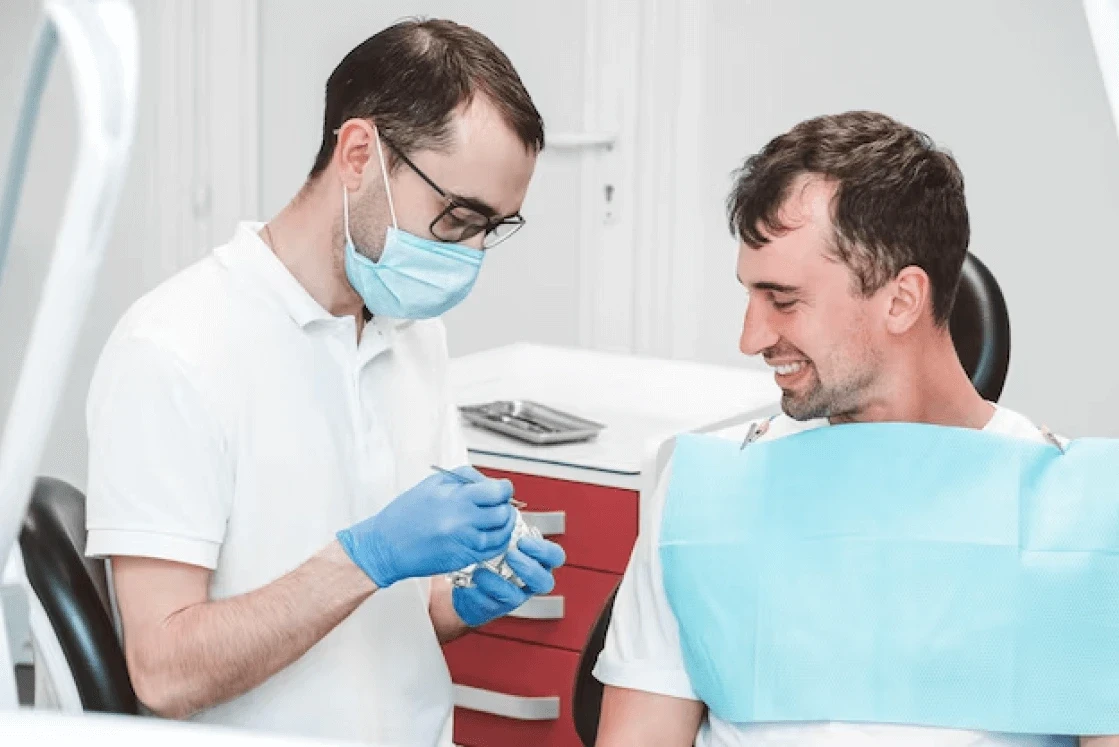
Orthodontic treatment works by gradually moving teeth into healthier, more balanced positions. In some cases, there simply is not enough room in the jaw to align every tooth properly. When this happens, removing one or more teeth may be recommended to create the space needed for braces or other orthodontic treatment. A dentist in Edina can assess your teeth, gums, bite, and available space before determining whether extraction may be appropriate.
Tooth extraction is not necessary for everyone who needs orthodontic care. Dentists and orthodontic providers consider several factors before recommending it. The goal is not simply to remove teeth but to create a healthier and more functional arrangement that supports the long-term appearance and function of your smile.
Why Might Tooth Extraction Be Needed Before Orthodontic Treatment?
Teeth need enough room to move into their intended positions. If the jaw does not provide enough space, teeth may become crowded, overlap one another, or grow in at unusual angles.
In certain situations, removing a tooth can provide the additional room needed to straighten the remaining teeth. The space created can then be gradually closed as orthodontic treatment moves the teeth into position.
Common Reasons for Creating More Space
- Severe crowding makes it difficult to align the teeth.
- Teeth are positioned too far forward or backward.
- There is not enough room for an adult tooth to come in properly.
- Correcting the bite requires controlled movement of several teeth.
- Keeping all teeth would make proper alignment difficult or unstable.
Does Everyone Need Teeth Removed for Braces?
No. Many people can complete orthodontic treatment without having teeth removed. The decision depends on the amount of crowding, jaw development, tooth position, bite, age, and overall oral health.
Modern orthodontic treatment can sometimes create or use available space through methods such as expanding the dental arches or moving certain teeth. However, these approaches are not suitable for every patient. Removing a tooth may sometimes provide a more predictable way to achieve the desired result.
Which Teeth Are Usually Removed?
When extraction is recommended for orthodontic reasons, premolars are commonly considered because their position can provide useful space without removing the front teeth that are important for appearance and biting.
However, there is no single extraction plan that works for everyone. The teeth selected depend on the individual's dental condition and the goals of treatment. A dental professional will consider which teeth are healthy, their position, and how their removal would affect the overall treatment plan.
How Does Extraction Create Space for Braces?
Once a tooth is removed and the area begins to heal, orthodontic appliances can gradually move neighboring teeth into the available space. This allows crowded or poorly positioned teeth to be brought into better alignment.
The movement happens slowly. Orthodontic treatment applies gentle, controlled pressure over time rather than moving teeth immediately. The length of treatment varies according to the complexity of the case and how the teeth respond.
What Happens Before Extraction?
Before recommending an extraction, your dental provider will typically examine your teeth and may take dental X-rays or other images. These records help show the roots, bone, developing teeth, and surrounding structures.
Your dental provider may also coordinate with an orthodontic professional. This is important because the extraction should support the overall orthodontic treatment plan rather than being considered separately.
What Can You Expect During Tooth Extraction?
Tooth extraction is generally performed using local anesthesia to numb the area. You may feel pressure during the procedure, but you should not feel sharp pain while the tooth is being removed.
Afterward, some soreness, swelling, or mild bleeding can occur. Your dental provider will give you instructions for protecting the extraction site while it heals. Following these instructions carefully can help reduce the risk of complications.
How Long After Extraction Can Orthodontic Treatment Begin?
The timing depends on the individual treatment plan and how the extraction site heals. In some cases, orthodontic treatment may already be planned to begin around the time of extraction. In others, the dental provider may recommend allowing the area to heal before certain tooth movements take place.
Your orthodontic and dental providers can determine the appropriate timing based on your oral health and the type of movement required.
Is Tooth Extraction Painful?
Modern dental techniques are designed to make extraction as comfortable as possible. Local anesthesia numbs the area during the procedure, so most patients mainly notice pressure rather than pain.
After the anesthesia wears off, temporary soreness is common. Following the recommended aftercare instructions can help manage discomfort and support normal healing.
What Are the Benefits of Creating Space?
When extraction is carefully planned as part of orthodontic treatment, the space can help teeth move into positions that improve both function and alignment.
Potential benefits may include:
- Improved alignment of crowded teeth.
- Better management of certain bite problems.
- More predictable movement of selected teeth.
- Improved ability to maintain proper oral hygiene between teeth.
- A more balanced appearance of the smile.
These benefits depend on the patient's specific dental condition. Extraction is not automatically the best solution for every crowded smile.
What Should You Consider Before Having a Tooth Removed?
It is reasonable to ask why extraction is being recommended and what alternatives may be available. Understanding the purpose of the procedure can make the treatment process easier to follow.
Consider asking your dental provider:
- Why does my treatment require additional space?
- Which tooth or teeth are recommended for removal?
- Could orthodontic treatment work without extraction?
- How will the space be used during treatment?
- How long should the extraction area take to heal?
- What should I expect during recovery?
When Should You Seek Professional Advice?
If you have crowded teeth, difficulty cleaning between teeth, or concerns about how your bite is developing, an evaluation can help clarify your options. Searching for a dentist near you can be a convenient starting point, but the most appropriate treatment depends on a detailed assessment of your individual dental needs.
If extraction has already been recommended, ask how it fits into your complete orthodontic plan. A coordinated approach can help ensure that any space created is used appropriately as your teeth are moved.
Making an Informed Choice About Tooth Extraction
Tooth extraction can be an important part of orthodontic treatment when crowding or tooth position makes additional space necessary. The decision should always be based on a careful examination and a clear treatment plan. If you have questions about whether extraction could help your smile, 44th Street Dental can provide an evaluation and discuss your options. Request an Appointment to talk through your dental needs and understand the next steps for treatment.
Frequently Asked Questions
What's Your Reaction?
 Like
0
Like
0
 Dislike
0
Dislike
0
 Love
0
Love
0
 Funny
0
Funny
0
 Wow
0
Wow
0
 Sad
0
Sad
0
 Angry
0
Angry
0
















Comments (0)