

Recruitment in the Middle East: A Complete Guide for Employers
Recruitment in the Middle East requires a clear understanding of local talent markets, hiring practices, candidate expectations, and workforce needs. This guide explains key recruitment strategies for employers, including defining job requirements, evaluating candidates, focusing on cultural fit, and building a long-term talent strategy.
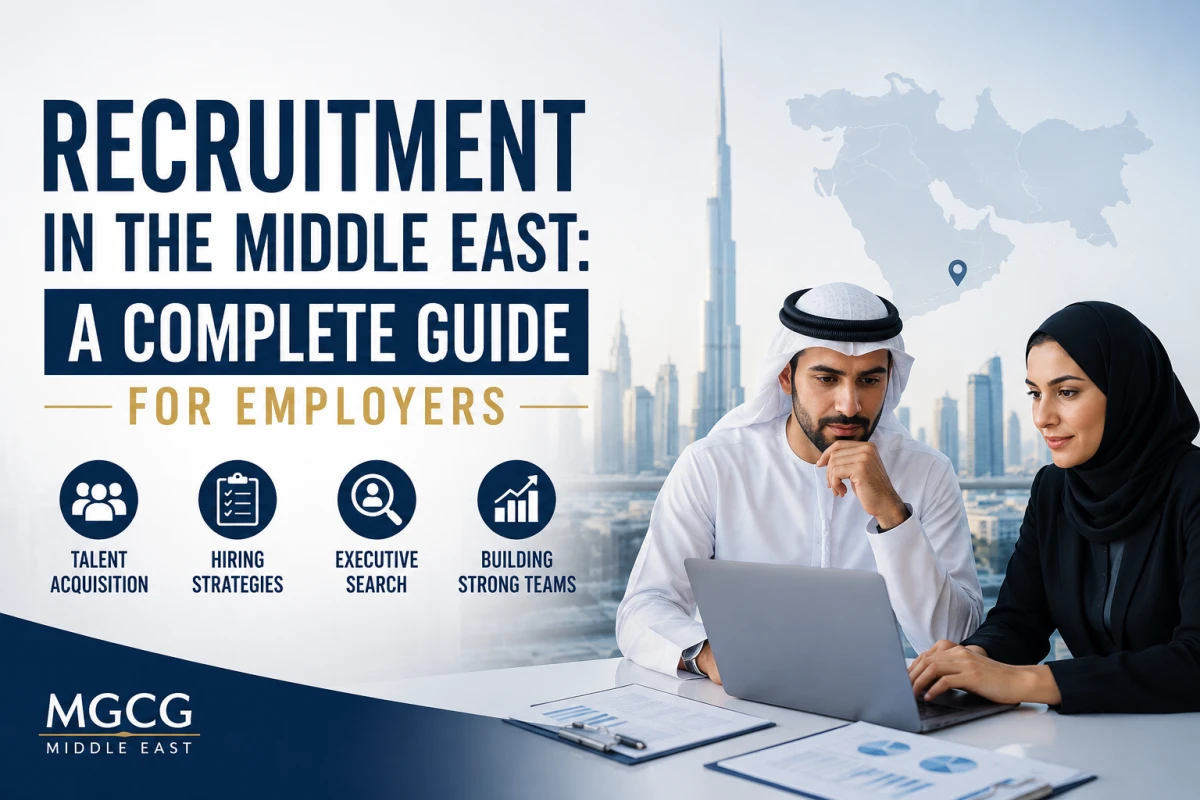
Hiring the right people is essential for business growth, especially in a region as diverse and competitive as the Middle East. Recruitment in the Middle East requires employers to understand local talent markets, hiring practices, workforce expectations, and the skills needed for different industries.
Whether a company is expanding into the region or strengthening an existing team, having a structured recruitment strategy can make the hiring process more effective.
Understand the Middle East Talent Market
The Middle East includes a wide range of markets, business sectors, and talent pools. Employers may recruit professionals across industries such as finance, technology, healthcare, construction, engineering, retail, and professional services.
Before beginning the hiring process, businesses should identify the specific skills, experience, and qualifications required for each position. Understanding the local talent market can also help employers create realistic hiring expectations.
Define Clear Job Requirements
A successful recruitment process begins with a clear job description. Employers should outline responsibilities, required qualifications, technical skills, experience, and key performance expectations.
Clear job requirements help attract relevant candidates and reduce the number of unsuitable applications. They also give recruiters a better understanding of the type of professional the company needs.
Consider Local Hiring Practices
Employers should understand the hiring environment of the country where they are recruiting. Candidate expectations, communication styles, employment processes, and workforce availability can vary across Middle Eastern markets.
Working with recruitment professionals who understand regional hiring conditions can help companies navigate these differences more efficiently.
Work With Executive Recruitment Specialists
For senior leadership and specialized positions, employers may need a more focused approach than traditional recruitment. Executive Recruitment Specialists in the Middle East can help businesses identify experienced professionals for management, leadership, and highly specialized roles.
Executive recruitment typically involves detailed candidate assessment, industry knowledge, market research, and confidential engagement with potential candidates. This can be particularly valuable when recruiting professionals for critical business positions.
Focus on Skills and Cultural Fit
Technical qualifications are important, but employers should also consider communication, leadership ability, adaptability, and cultural fit.
A candidate who understands the company's work environment and can collaborate effectively with different teams may contribute more effectively over the long term.
Use a Structured Screening Process
A consistent screening process can help employers compare candidates fairly. Depending on the role, the process may include resume screening, initial interviews, technical assessments, behavioral interviews, reference checks, and final discussions.
For senior positions, recruiters may also evaluate leadership experience, strategic decision-making, and industry reputation.
Build a Long-Term Talent Strategy
Recruitment should not only focus on filling current vacancies. Businesses can benefit from developing a long-term talent strategy that identifies future workforce requirements and maintains relationships with potential candidates.
Building a talent pipeline can make future hiring faster and help companies respond more effectively when new positions become available.
Work With an Experienced Recruitment Partner
For businesses managing complex or high-volume hiring, an experienced recruitment partner can provide valuable support throughout the hiring process. From candidate sourcing and screening to executive hiring, professional recruitment services can help businesses access relevant talent more efficiently.
MGCG Middle East supports businesses with recruitment and workforce solutions designed around the needs of employers across the region.
Conclusion
Effective Recruitment in the Middle East requires more than simply posting job vacancies. Employers need to understand the local talent market, define clear requirements, evaluate candidates carefully, and develop a long-term hiring strategy.
For leadership and specialized roles, working with Executive Recruitment Specialists in the Middle East can provide access to focused expertise and qualified senior professionals. With the right recruitment approach and regional knowledge, businesses can build stronger teams and support sustainable growth.
Frequently Asked Questions
What's Your Reaction?
 Like
0
Like
0
 Dislike
0
Dislike
0
 Love
0
Love
0
 Funny
0
Funny
0
 Wow
0
Wow
0
 Sad
0
Sad
0
 Angry
0
Angry
0

















Comments (0)