

Understanding Common Pest Problems in Melbourne Homes
Learn how to identify hidden pest activity, maintain your property, manage common pest risks and take practical preventative measures to reduce recurring infestations.
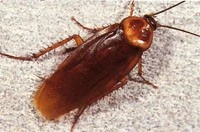
Melbourne homes can experience a wide range of pest problems throughout the year, from insects attracted to food and moisture to rodents searching for shelter. Envirosafe Pest Control focuses on practical approaches to pest control Melbourne helping property owners understand why infestations develop and how early action can reduce the likelihood of larger problems.
Why Pest Problems Develop
Pests generally enter properties because they find suitable conditions for food, water, shelter or breeding. Small gaps around doors, windows, roofs and utility openings can provide easy access. Poorly sealed food containers, overflowing bins and standing water can also make a property more attractive.
Weather conditions play an important role as well. Warmer periods may increase insect activity, while colder conditions can encourage rodents and other pests to seek shelter indoors. Changes in rainfall can also influence insect breeding and movement.
Understanding these contributing factors is more useful than simply dealing with visible pests. A property that continues to provide food and shelter may experience repeated problems even after an infestation has been treated.
Signs That Should Not Be Ignored
Many infestations begin with subtle signs. Residents may notice droppings, unusual smells, damaged packaging, scratching sounds or insects appearing more frequently.
Some pests remain hidden for long periods, meaning visible activity may indicate that a larger population is nearby. For this reason, inspections can be useful when unexplained signs continue.
Homeowners should also pay attention to structural areas. Cracks, damaged weather seals, roof gaps and poorly maintained storage areas can become entry points. Addressing these issues alongside pest management can provide better long-term protection.
Understanding Termite Activity
Termites deserve particular attention because their activity may remain hidden behind walls, beneath flooring or inside timber structures. Unlike pests that are immediately noticeable, termites can cause damage before residents recognise a problem.
Signs can include damaged timber, hollow-sounding wood, discarded wings or mud-like shelter tubes. However, the absence of visible signs does not necessarily mean termites are absent.
A professional assessment can identify areas that may require closer attention and help property owners understand potential risks. Preventative measures are particularly useful for properties where timber, moisture and concealed access points create favourable conditions.
Rodents and Indoor Entry Points
Rodents can enter buildings through surprisingly small openings. Gaps around pipes, doors, vents and roofing areas may provide access. Once inside, they can contaminate food, damage stored items and interfere with insulation or electrical components.
Rather than concentrating only on removing visible rodents, property owners should identify how they entered in the first place. Sealing access points, improving waste management and reducing food availability can help make a property less attractive.
Managing Pest Risks Around the Property
Good property maintenance plays an important role in prevention. Simple measures include keeping food in sealed containers, cleaning spills promptly, maintaining gardens and removing unnecessary clutter.
Outdoor storage areas should be kept organised, while vegetation should be managed so it does not create concealed pathways towards the building.
Professional pest management can complement these everyday measures by identifying conditions that may otherwise be overlooked. This is especially useful for properties with previous infestation problems.
Making Prevention Part of Property Maintenance
Pest prevention should not be treated as a one-time task. Regular checks can help identify changing conditions before they develop into significant problems. Seasonal inspections may also be useful because pest activity can change throughout the year.
For households concerned about termites, termite treatment should be considered based on the condition of the property, evidence of activity and professional assessment rather than assumptions alone.
A sensible approach combines inspection, prevention, property maintenance and appropriate treatment where required. This can help reduce unnecessary chemical use while addressing the underlying conditions that allow pests to establish.
For property owners who notice repeated pest activity, residential pest control Melbourne can provide a structured approach to identifying and managing household infestations. Early attention, sensible maintenance and professional advice can make pest management more effective over the long term.
What's Your Reaction?
 Like
0
Like
0
 Dislike
0
Dislike
0
 Love
0
Love
0
 Funny
0
Funny
0
 Wow
0
Wow
0
 Sad
0
Sad
0
 Angry
0
Angry
0











.png)




Comments (0)