

How Virtual Assistants Handle After-Hours Patient Care Coordination
Stepping onto a university campus or into a public health internship in the United States often exposes students to the 24/7 realities of modern healthcare delivery.
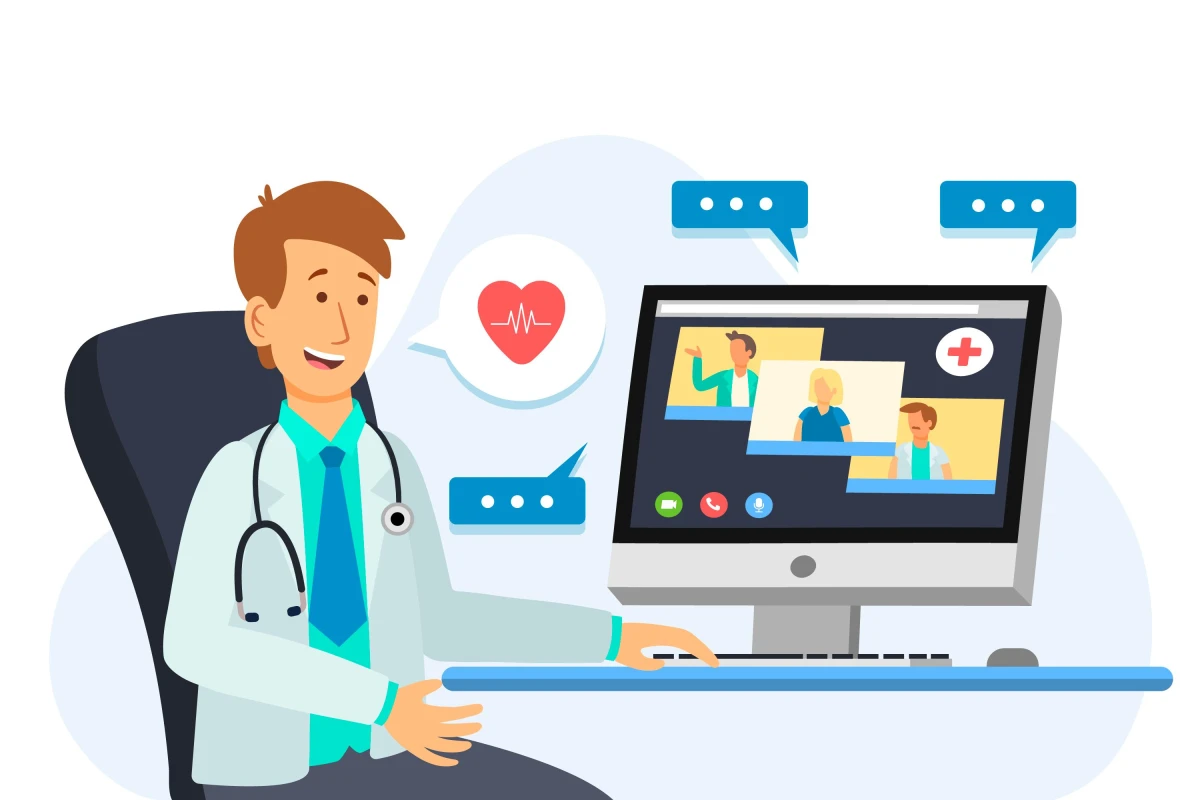
Stepping onto a university campus or into a public health internship in the United States often exposes students to the 24/7 realities of modern healthcare delivery. Between balancing rigorous science coursework, reviewing healthcare policy case studies, and examining digital patient communication models, future healthcare leaders quickly learn that patient needs do not stop when the clinic doors close at five o'clock. When sudden illness or injury strikes late at night, patients often face frustrating voicemail loops or delayed responses that heighten their anxiety and strain emergency room resources. This is precisely why forward-thinking medical practices rely heavily on a Healthcare Virtual Assistant to manage after-hours calls, triage non-emergency inquiries, and coordinate timely patient care outside of normal business hours. Exploring how remote coordinators handle nighttime communication provides aspiring administrators with a comprehensive look at modern operational efficiency, continuous patient support, and digital health innovation.
The Challenge of 24/7 Patient Access
Medical clinics face immense pressure to remain accessible around the clock because patients expect prompt guidance whenever health concerns arise. Balancing off-hours availability without burning out on-site clinical staff requires innovative digital solutions and reliable remote support networks.
Managing Nighttime Inquiries and Phone Routing
After-hours phone lines frequently receive a mix of prescription refill requests, appointment questions, and genuine medical symptoms requiring attention. Virtual coordinators screen these calls efficiently, ensuring that routine administrative issues are logged for morning review while urgent matters are escalated.
Triage Protocols and Safety Guidelines
Ensuring patient safety during night shifts depends on strict adherence to standardized clinical triage algorithms and escalation pathways. Remote assistants use clear protocol guidelines to determine whether a patient needs an immediate emergency referral or a morning callback.
Supporting Specialized Wellness and Rehab Clinics
Specialized healthcare practices often require dedicated coordination to handle overnight appointment changes and urgent patient comfort questions. Utilizing a dedicated virtual chiropractic assistant framework helps wellness centers manage after-hours emergency inquiries, post-adjustment pain guidance, and next-day schedule adjustments seamlessly.
Bridging the Gap With On-Call Physicians
Connecting patients directly with sleeping or busy on-call doctors can be chaotic without a structured digital communication filter. Virtual assistants act as a reliable buffer, providing physicians with concise, pre-screened summaries before waking them for critical cases.
Enhancing Patient Reassurance and Empathy
Experiencing severe pain or sudden health symptoms at night can trigger intense anxiety and panic for students living away from home. A calm, empathetic voice on the phone provides immediate emotional reassurance and guides patients toward the correct course of action.
Maintaining Strict HIPAA Compliance Remotely
Handling sensitive personal health records and nighttime symptom details across digital networks requires absolute adherence to federal privacy guidelines. Secure cloud platforms and encrypted messaging ensure that all after-hours communications remain completely confidential and secure.
Reducing Emergency Room Overcrowding
Many patients turn to expensive hospital emergency rooms late at night simply because they cannot reach their primary care clinic. Providing accessible after-hours virtual guidance directs minor issues to appropriate urgent care settings, saving patients time and money.
Automated Logging and Morning Handover Reports
Every nighttime call, message, and action taken by virtual assistants must be meticulously documented in the electronic health record system. Comprehensive morning handover notes ensure that the daytime clinic staff can follow up with patients smoothly and professionally.
Career Insights for Future US Health Leaders
For students studying healthcare administration, public health, or health informatics, observing 24/7 virtual support models offers invaluable operational perspective. Understanding how continuous digital workflows enhance clinic performance gives future graduates a massive competitive advantage.
The Future of Round-the-Clock Digital Medicine
As artificial intelligence, automated triage software, and cloud communication tools continue to evolve, after-hours care will become even more seamless. Embracing these advanced support strategies prepares the next generation of leaders to redefine continuous patient access nationwide.
Taking charge of your professional future starts with understanding the innovative operational models transforming modern medical access.
By exploring how remote coordinators manage after-hours care, you position yourself as a forward-thinking healthcare advocate.
Keep learning, stay adaptable, and embrace the digital strategies reshaping patient communication across the United States.
Your proactive outlook today will build a more responsive, reliable healthcare infrastructure for tomorrow.
What's Your Reaction?
 Like
0
Like
0
 Dislike
0
Dislike
0
 Love
0
Love
0
 Funny
0
Funny
0
 Wow
0
Wow
0
 Sad
0
Sad
0
 Angry
0
Angry
0

















Comments (0)